
Period and fantasy wardrobe
Tunics, robes, cloaks, dresses and layered garments developed around supplied artwork, historical references or an existing piece.
Prince Textile develops period wardrobe, padded garments and character-led clothing from drawings, measurements or an existing reference. Pattern, material, movement, construction and visible detail are resolved through a physical sample before the approved design enters production.
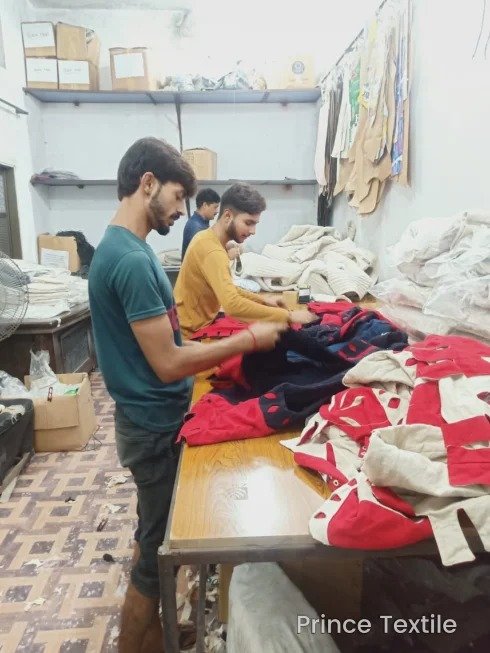
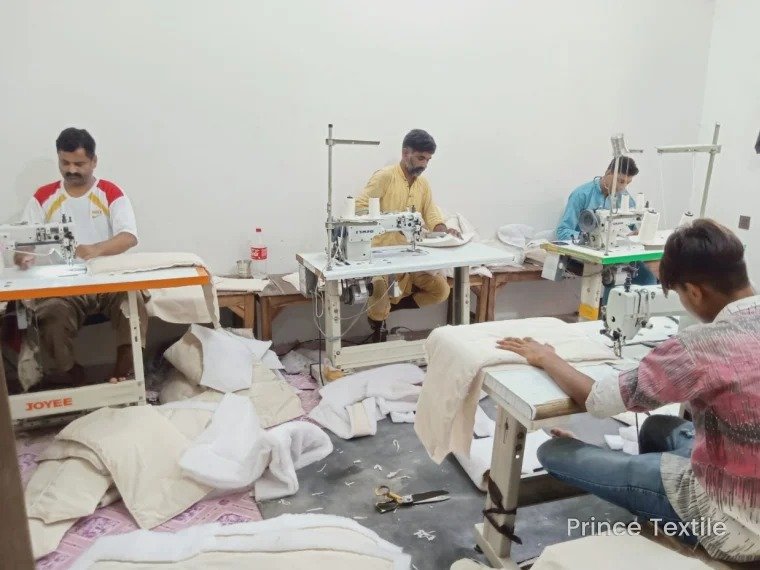
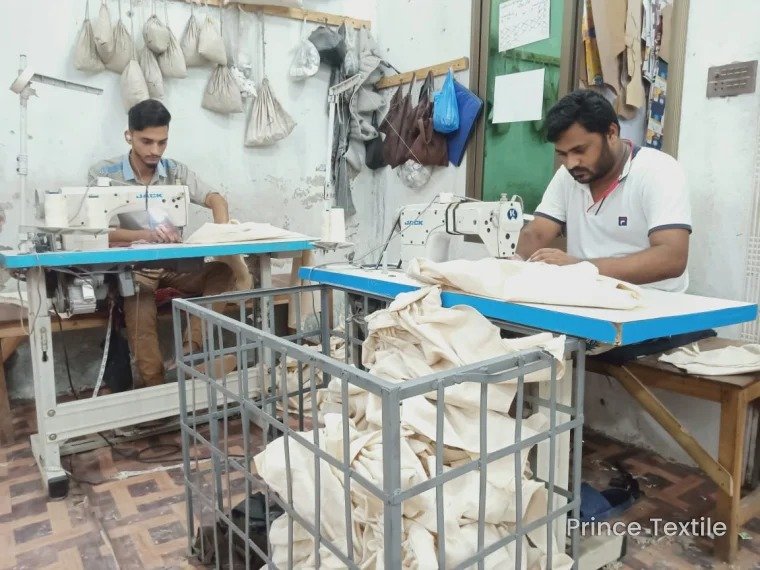
Costume development begins with context rather than a standard catalogue shape. We review the intended period or visual language, the silhouette, how the garment will be layered, the movement it needs and which details must remain clear at a distance. Those choices are translated into patterns, material direction and construction notes before the first sample is cut.
Sampling brings the visual idea into contact with practical garment decisions. Proportion, seam placement, padding thickness, closures, reinforcement, trims and size grading can all be reviewed on a physical piece. Once approved, the same patterns and finishing instructions guide production so later pieces remain consistent with the agreed character.
Tunics, robes, cloaks, dresses and layered garments developed around supplied artwork, historical references or an existing piece.
Gambesons, arming coats and padded components with controlled quilting, thickness, closure placement and range of movement.
Character wardrobe for theatre, film, cosplay, themed attractions and live events where the visual brief must remain clear.
Labels, embroidery, trims, packaging and repeat-order requirements incorporated after the sample and construction are approved.
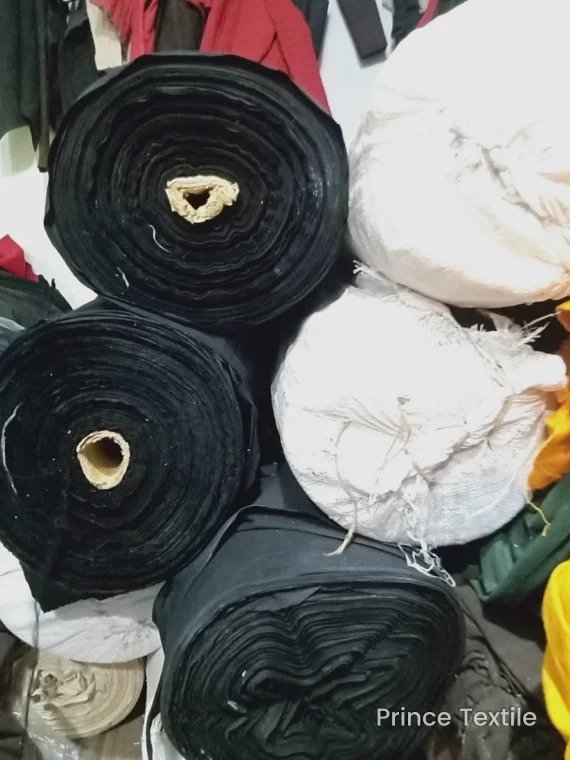
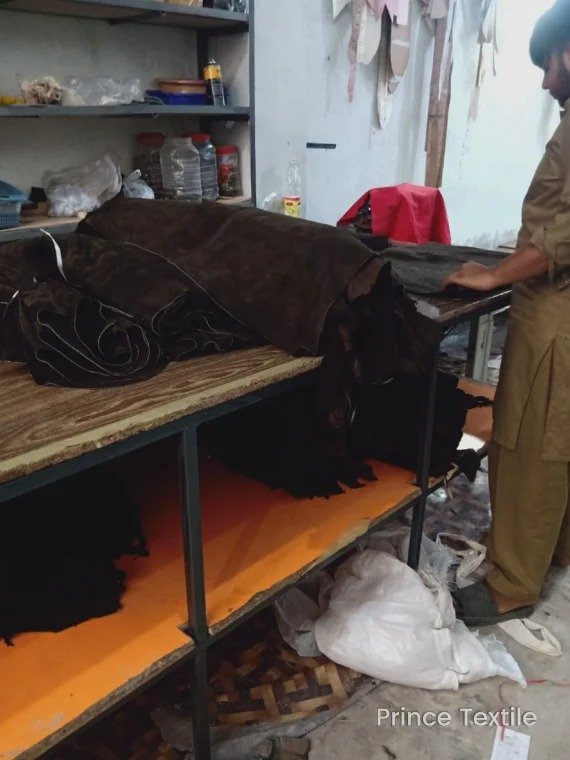
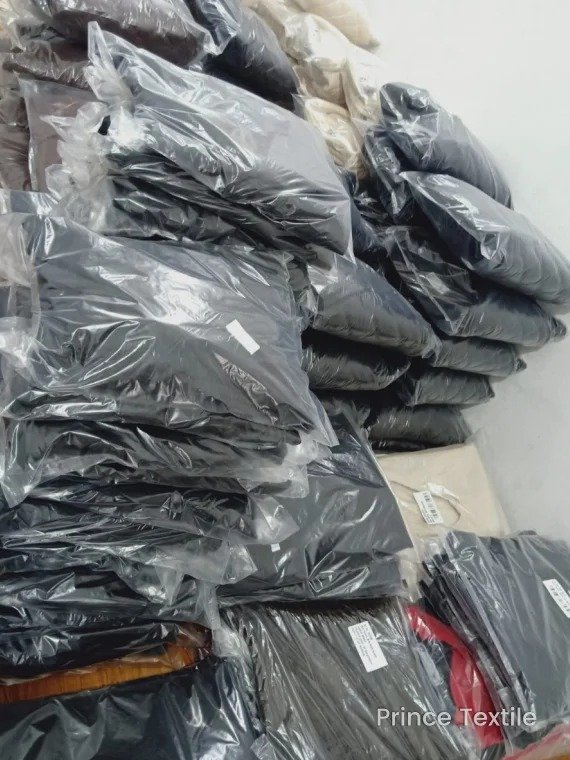
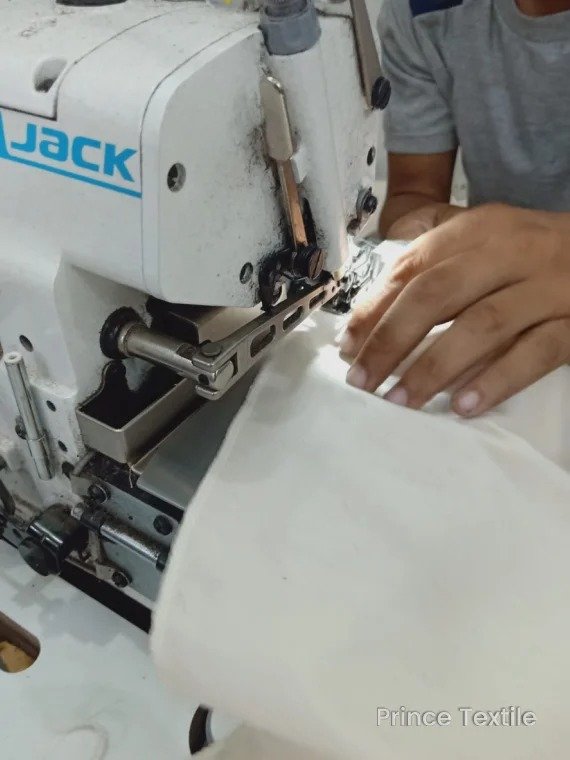
This is the complete image set from the current Costume Workshop page. It is presented without decorative overlays or invented captions so buyers can assess the silhouettes, materials and finish directly.
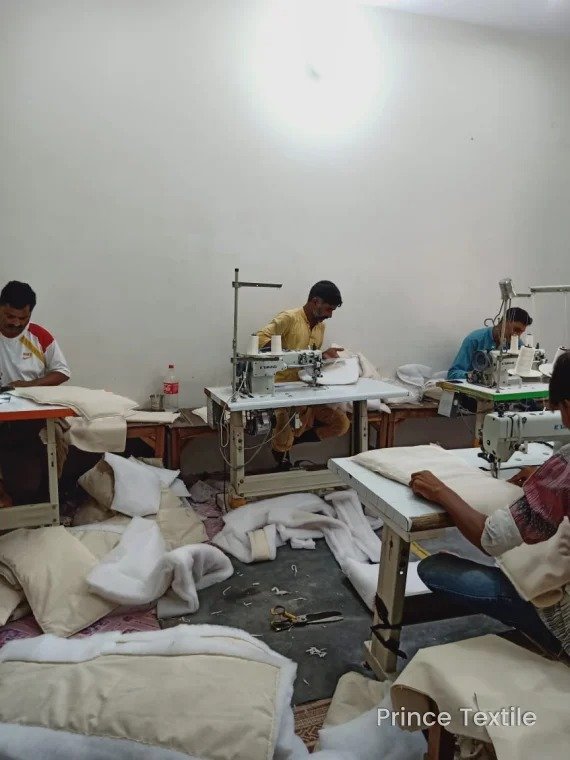
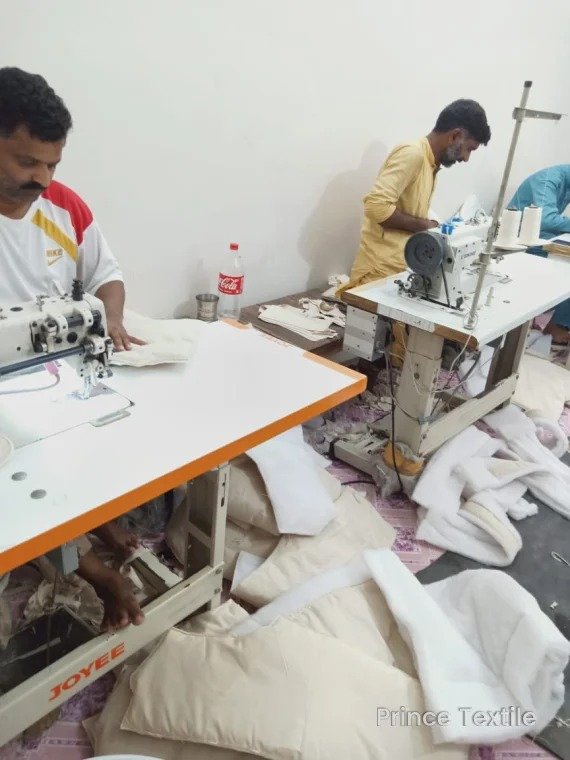
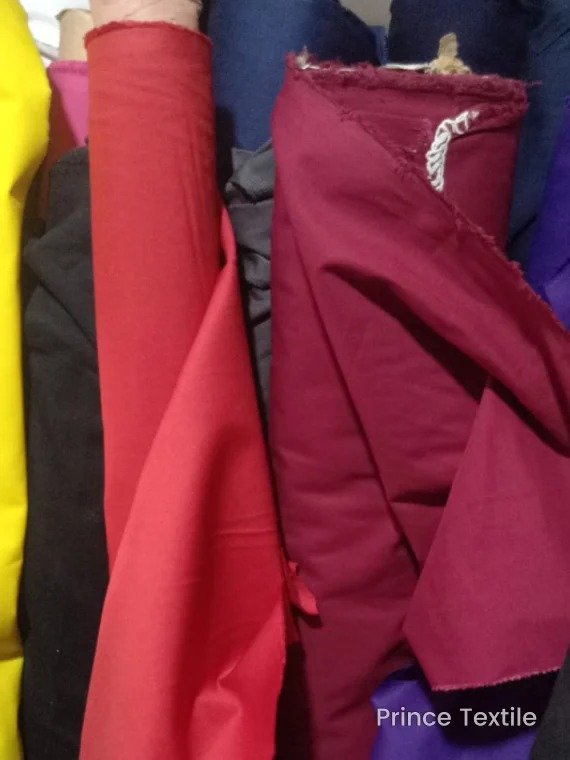
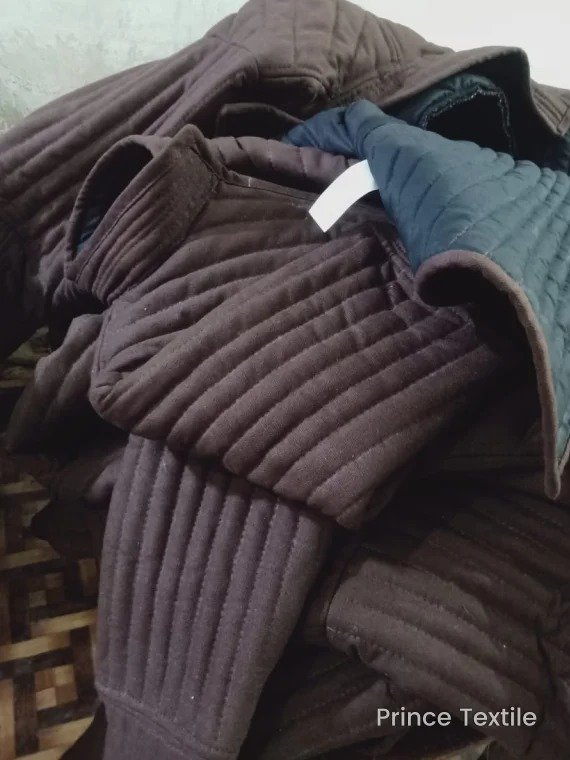
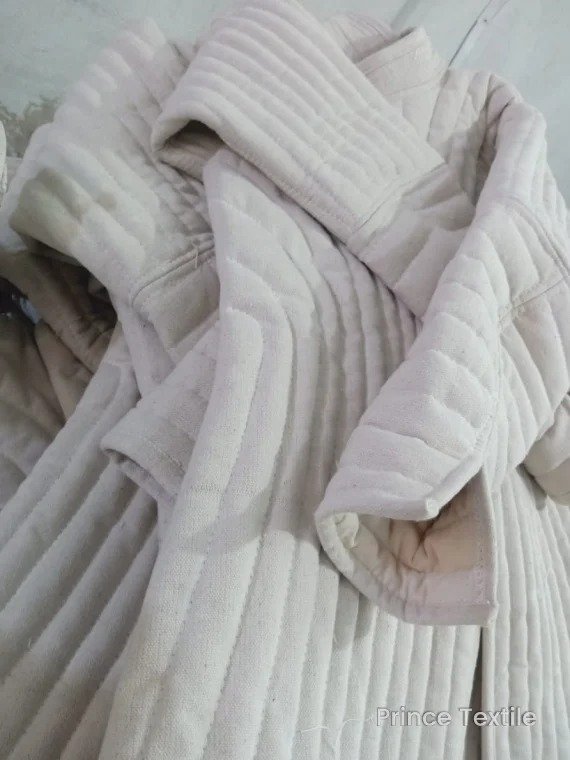
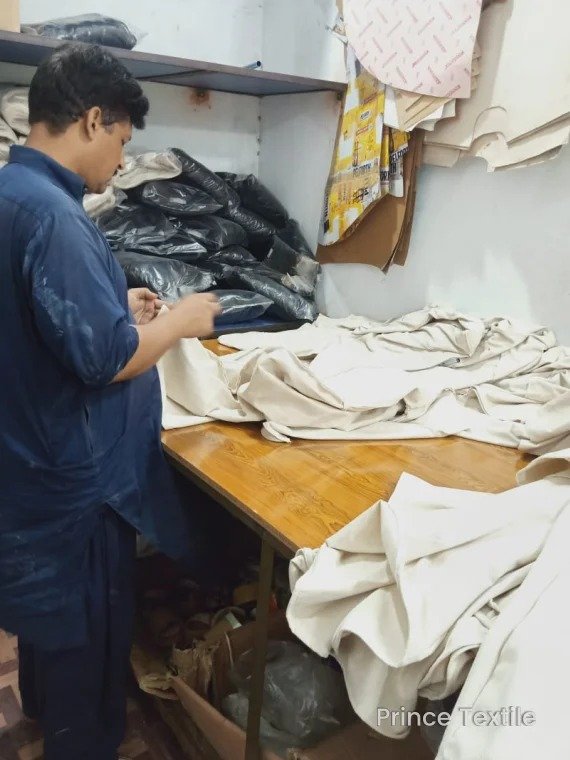
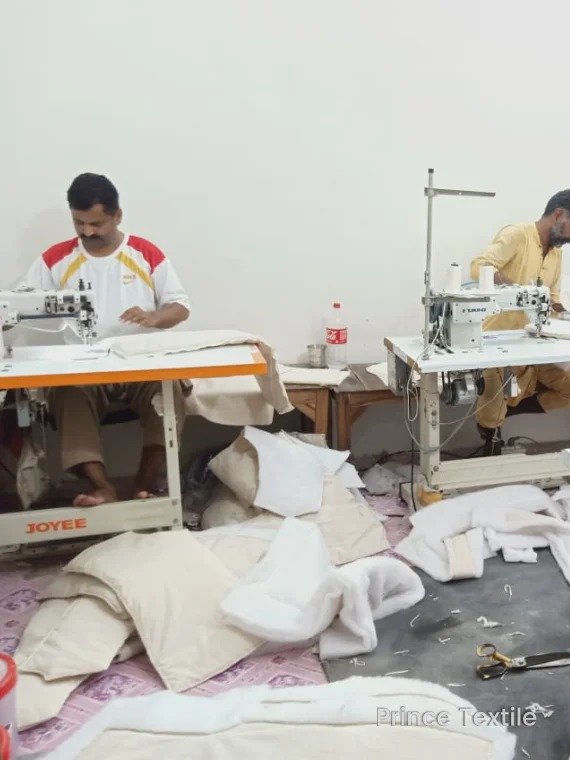
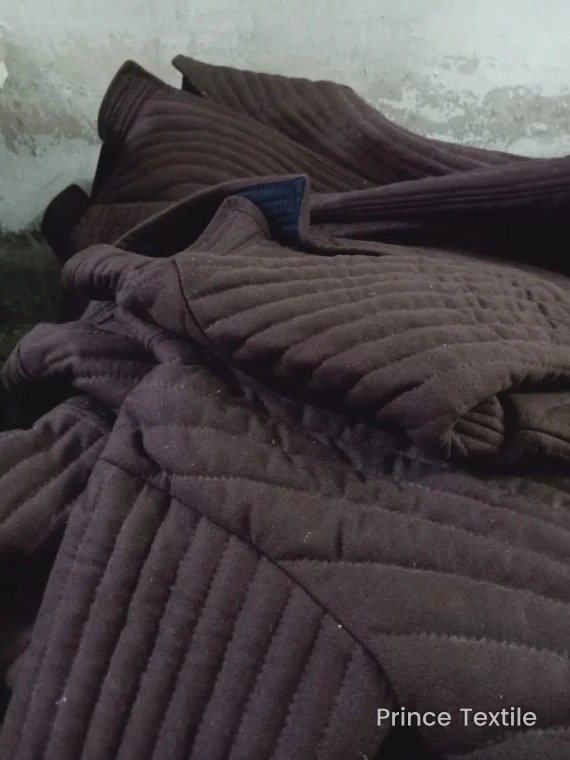
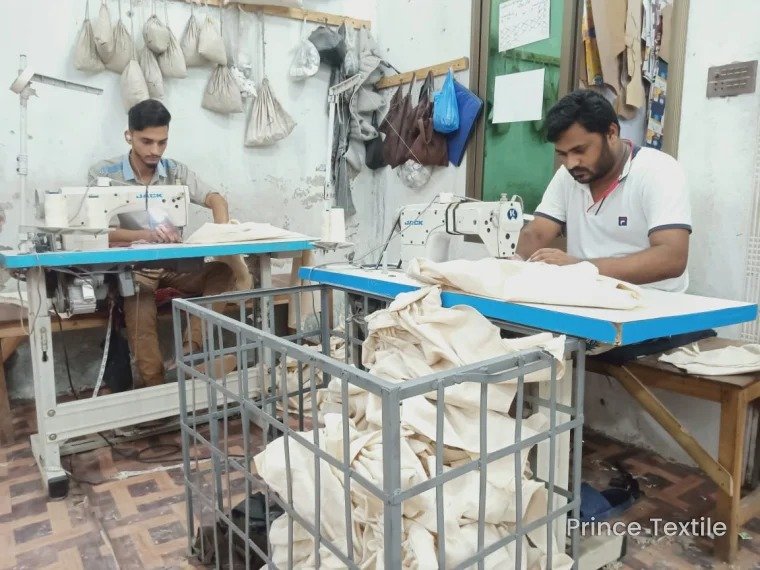
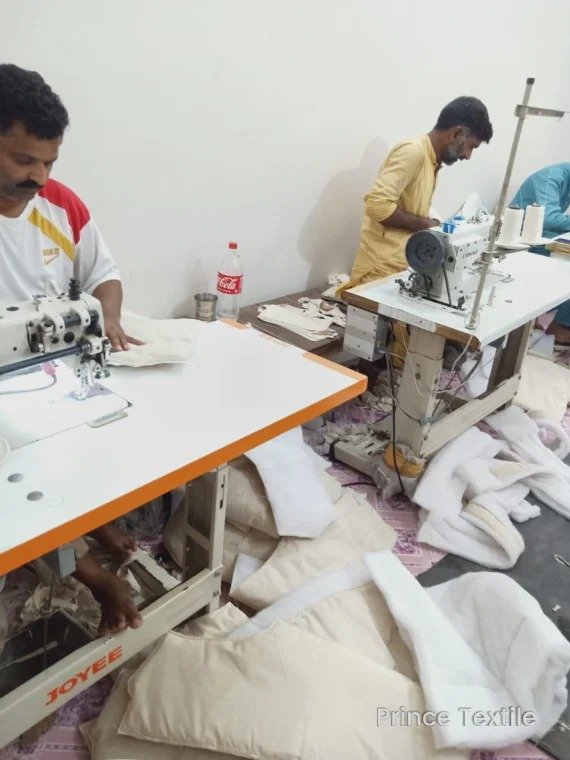
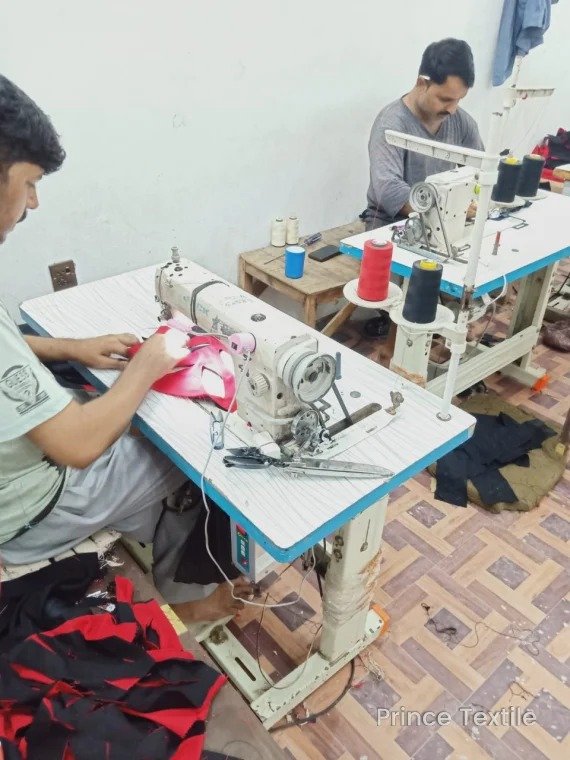
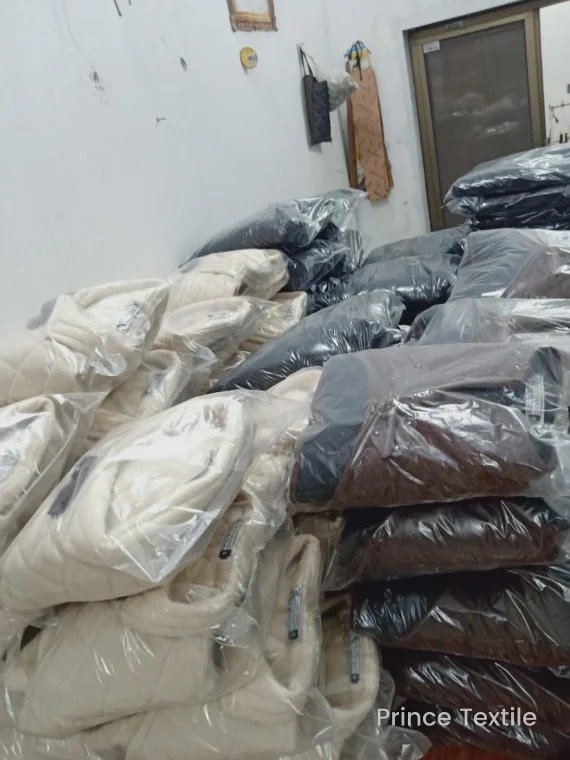
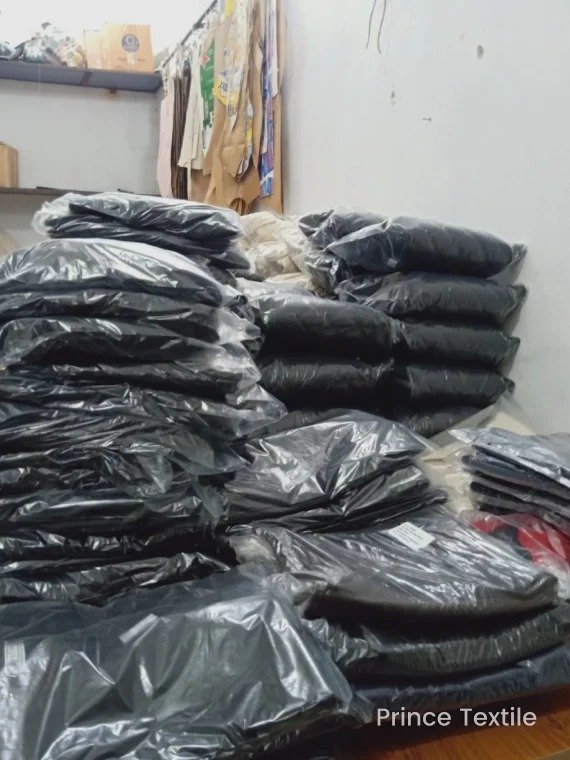
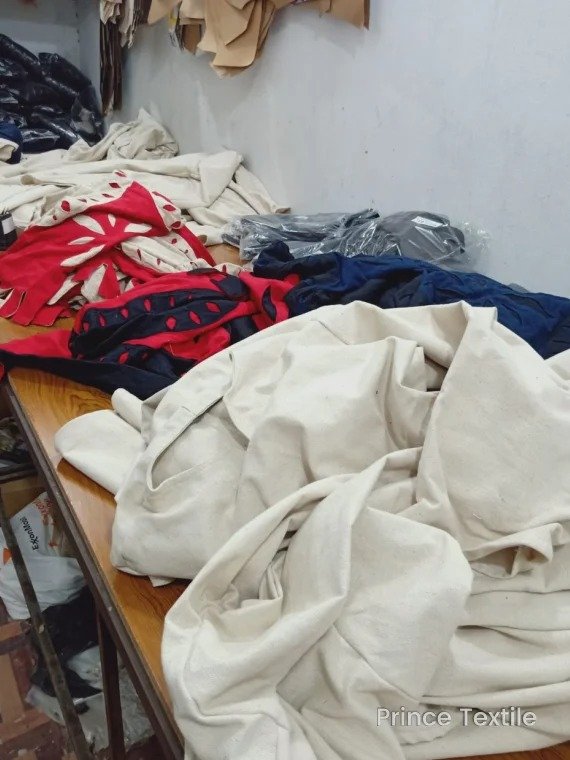
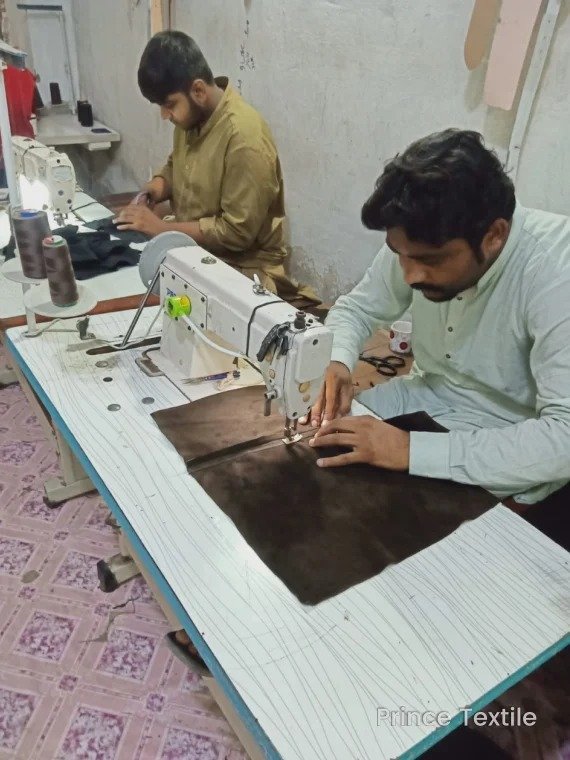
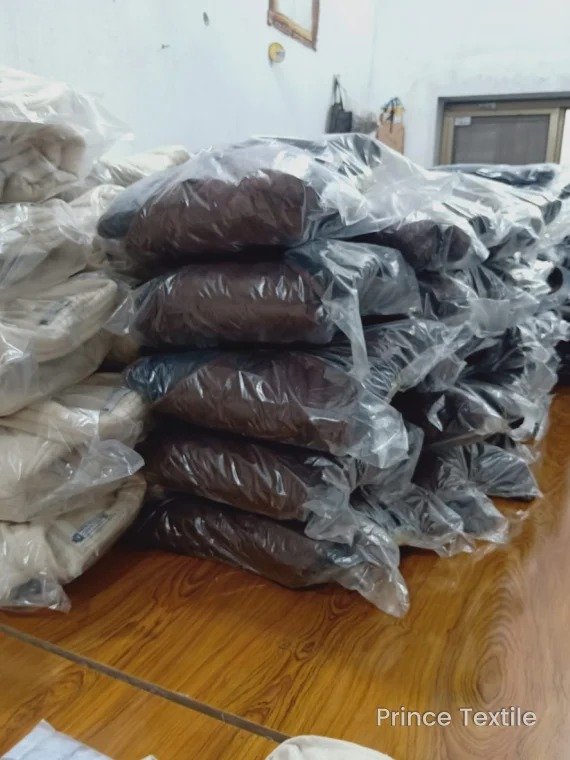
References are broken down into measurable decisions: finished dimensions, pattern pieces, layer order, seam allowance, quilting, closures, decoration and visible finishing. Recording those details removes guesswork when the design moves from a single prototype into repeat production.
The physical sample is where appearance and construction meet. Feedback can be applied to fit, materials or detailing before bulk cutting begins. Production checks are then made against the same reference, with branding and packing requirements included in final inspection.
Every stage has a practical approval point, keeping the visual idea, garment construction and order requirements connected throughout development.
References, intended use, dimensions, quantity, target finish and unresolved details are clarified.
The silhouette becomes pattern pieces, construction notes, material requirements and a sampling plan.
Proportion, movement, materials, closures, decoration and the complete character are reviewed physically.
Approved patterns guide cutting and sewing, followed by checks on measurements, trims, branding and packing.
Send the closest references you have, even if the specification is not complete. We can identify the pattern, material and approval decisions required to turn the idea into a workable production brief.