
Swords and daggers
Custom blade profiles, guards, grips and surface treatments developed from supplied artwork or a physical reference.
Prince Textile develops foam swords, axes, polearms, shields and character props from buyer artwork or reference samples. Core position, foam profile, bonding, grip construction and surface finish are established together before repeat production.
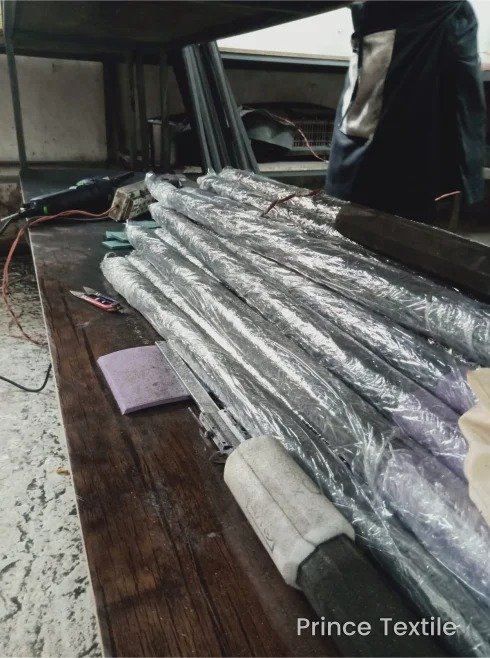
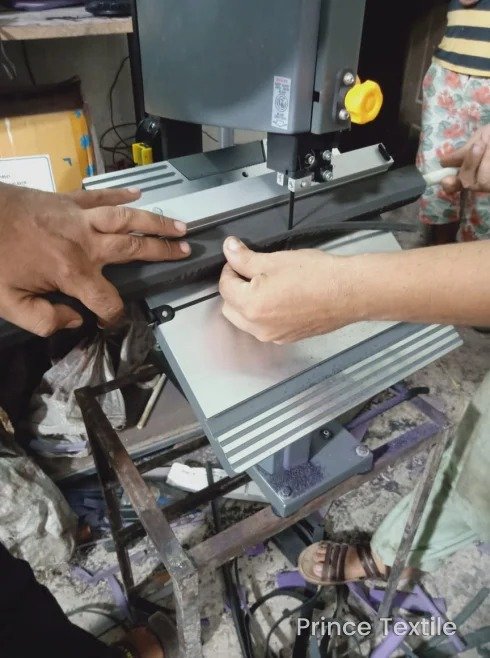
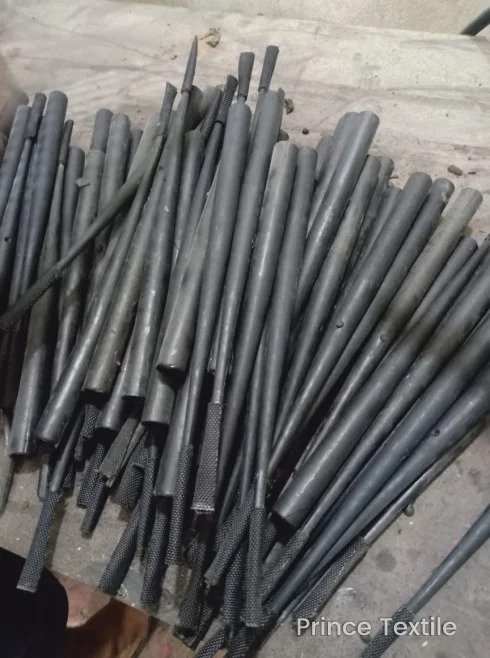
A convincing fantasy form depends on decisions that sit beneath the surface. The supplied design is reviewed for overall dimensions, profile, core position, foam build, handle construction, detailing and the finish the buyer wants to achieve. Resolving those elements together makes the sample useful as both a visual reference and a production standard.
Complex shapes are broken into repeatable templates and assembly stages. During sampling, the buyer can review proportion, handling, grip, surface detail and colour before the product enters a larger run. Requirements vary between markets and organisers, so any buyer-defined construction or inspection criteria should be included in the brief.
Custom blade profiles, guards, grips and surface treatments developed from supplied artwork or a physical reference.
Layered foam forms and longer profiles built around the approved core position, assembly and finish.
Round, heater and custom silhouettes with specified faces, edging, handles, straps and surface treatment.
Bows, costume props and related pieces scoped individually around their shape, construction and intended application.
This is the complete image set from the current LARP Weapons Workshop page. The unnumbered grid keeps attention on profile, proportion and finish, with a larger preview available for every piece.
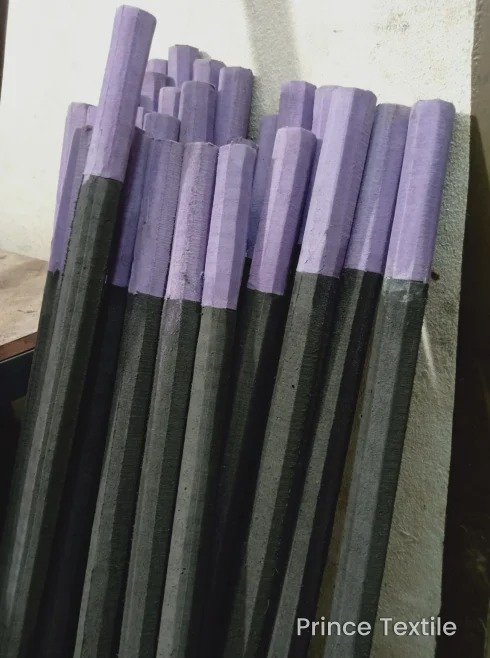
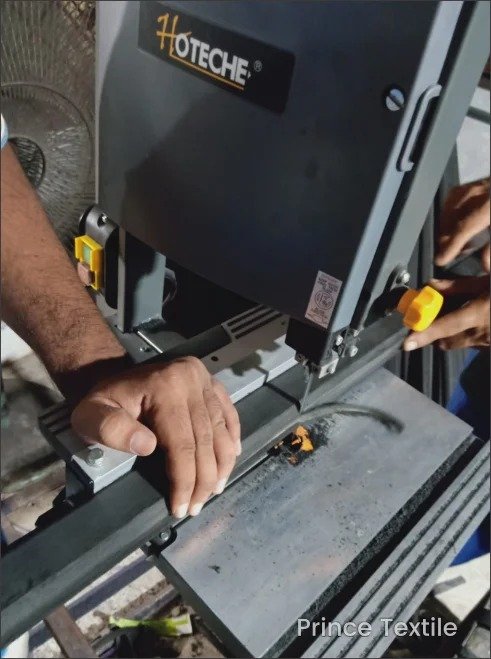
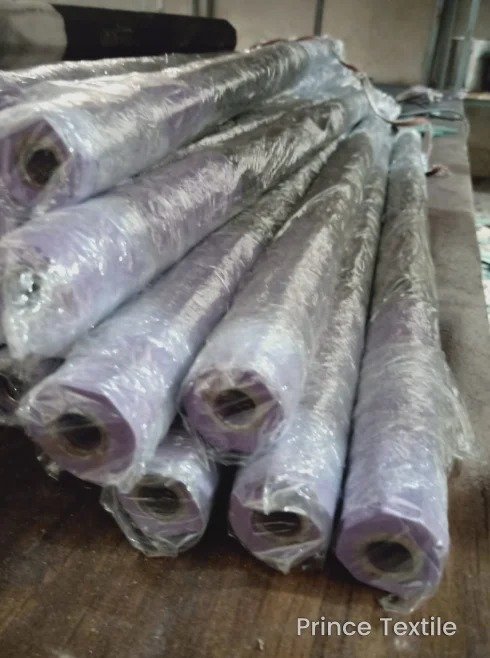
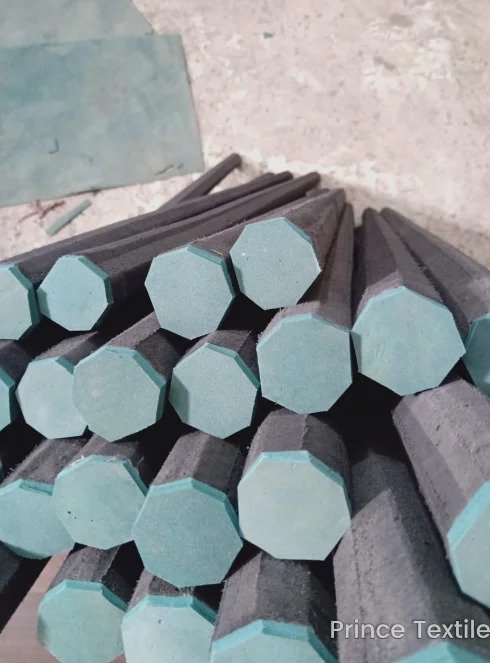
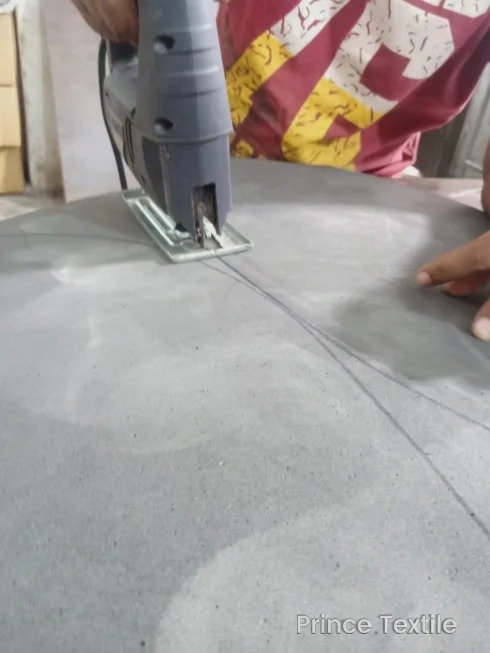
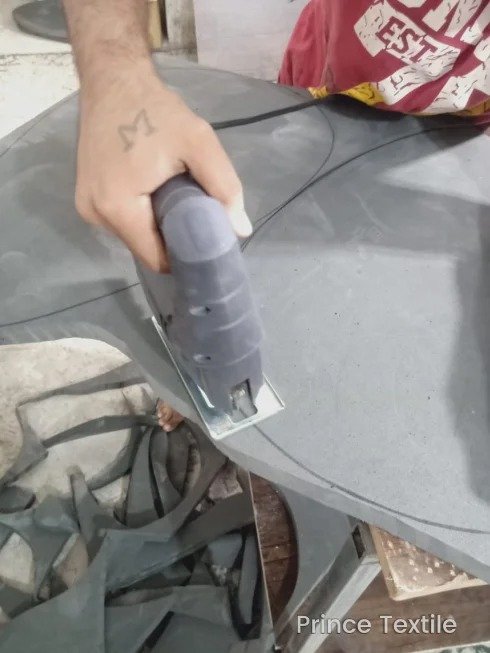
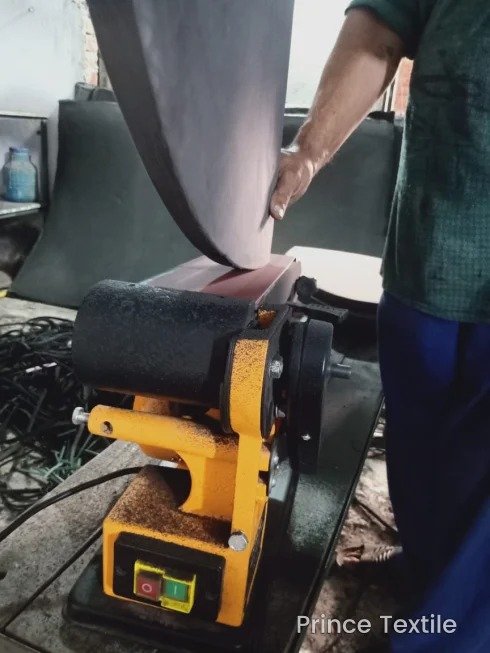
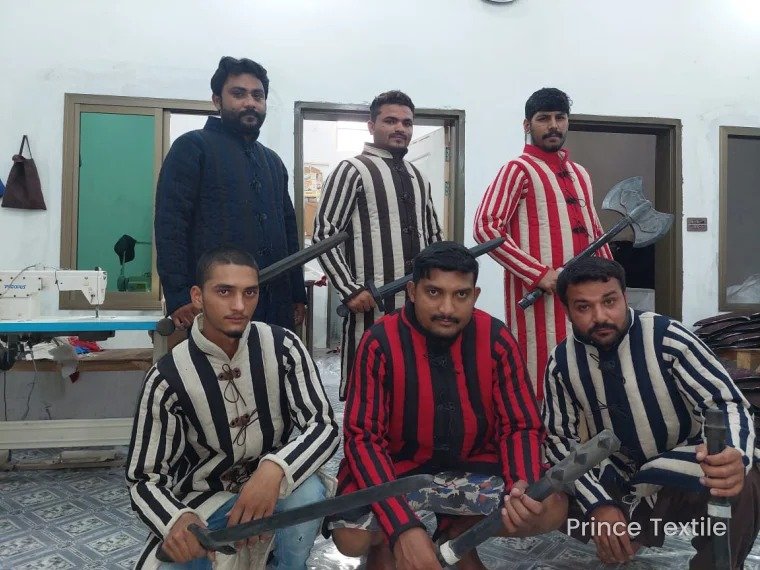
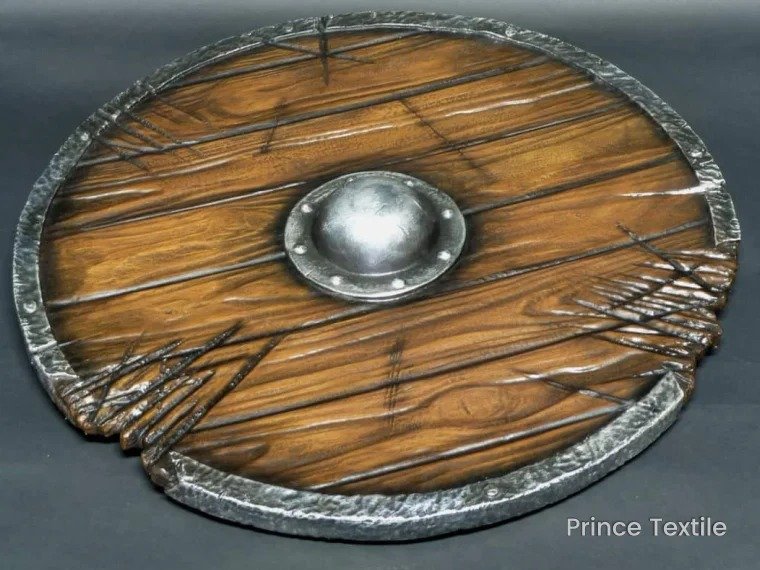
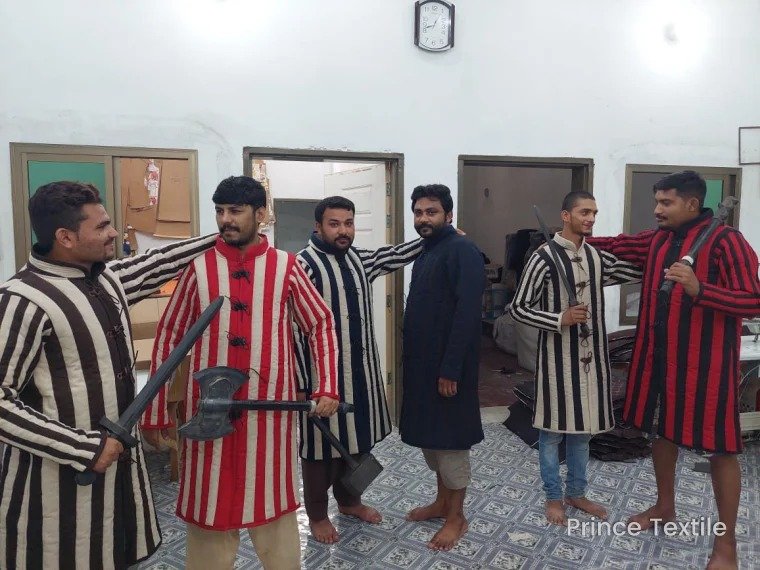
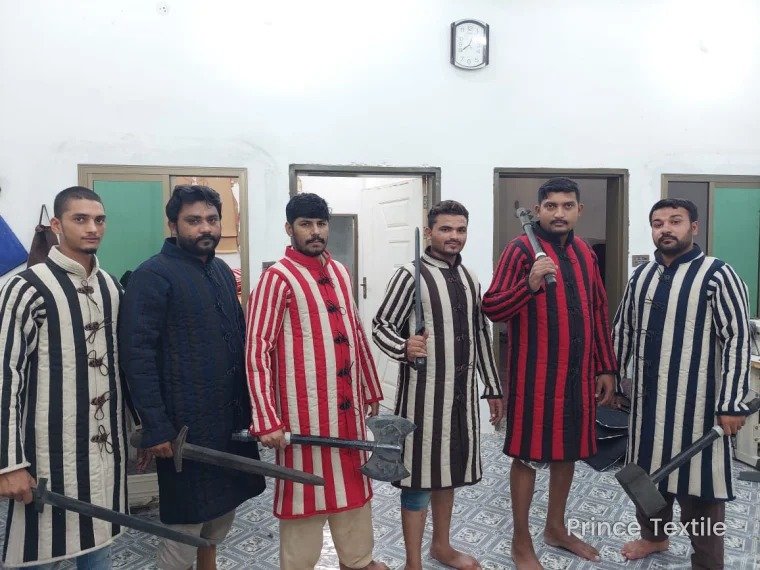

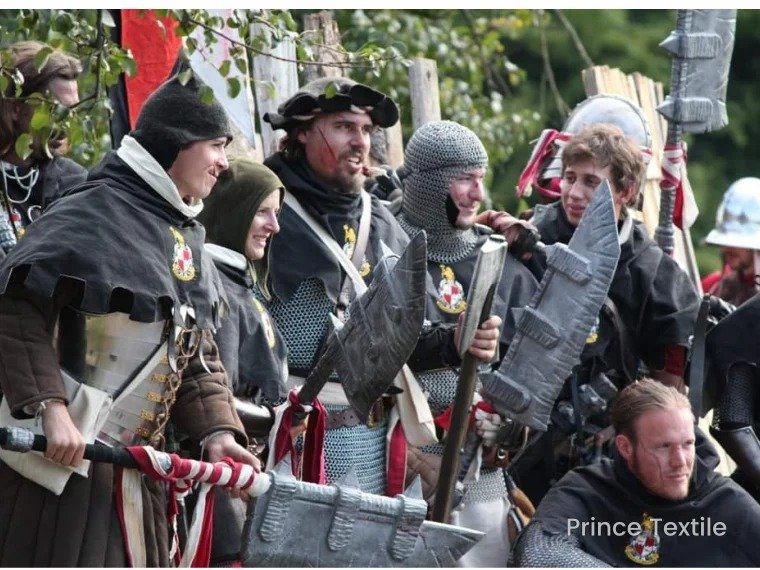
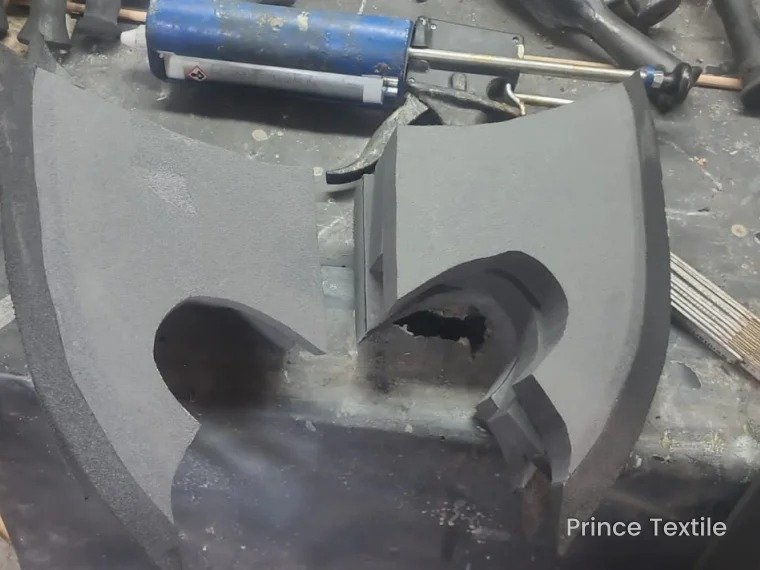
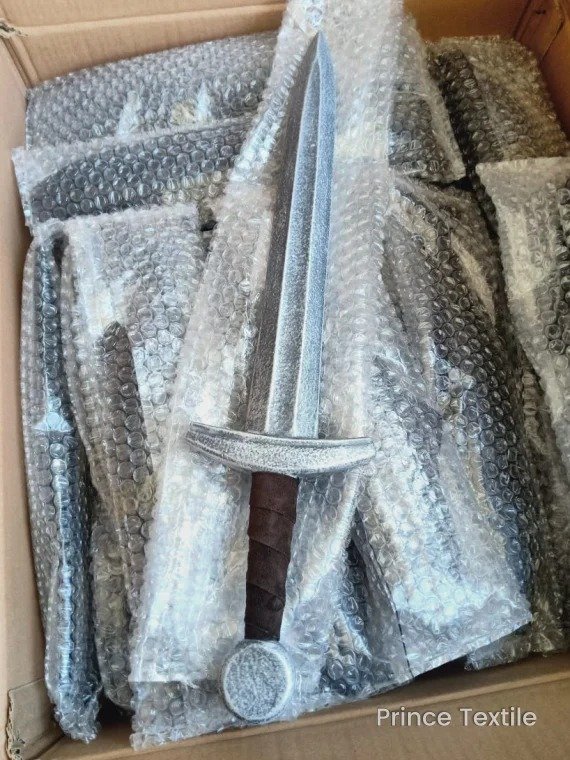
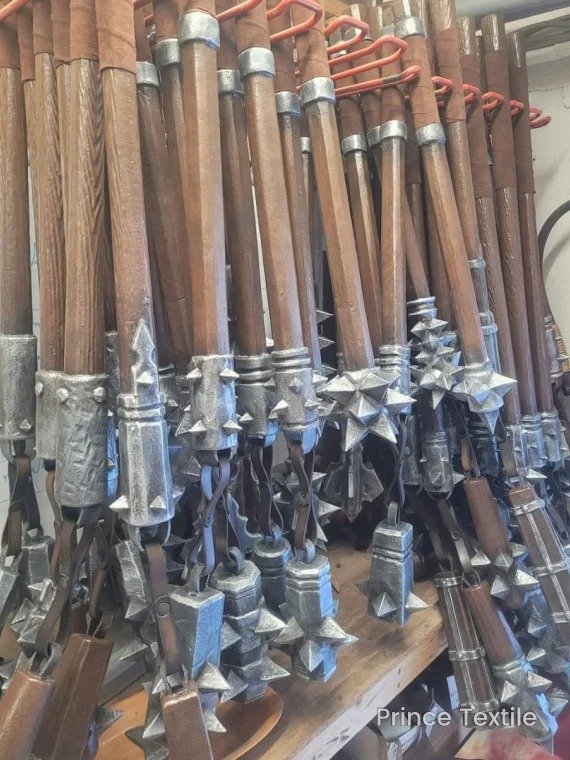
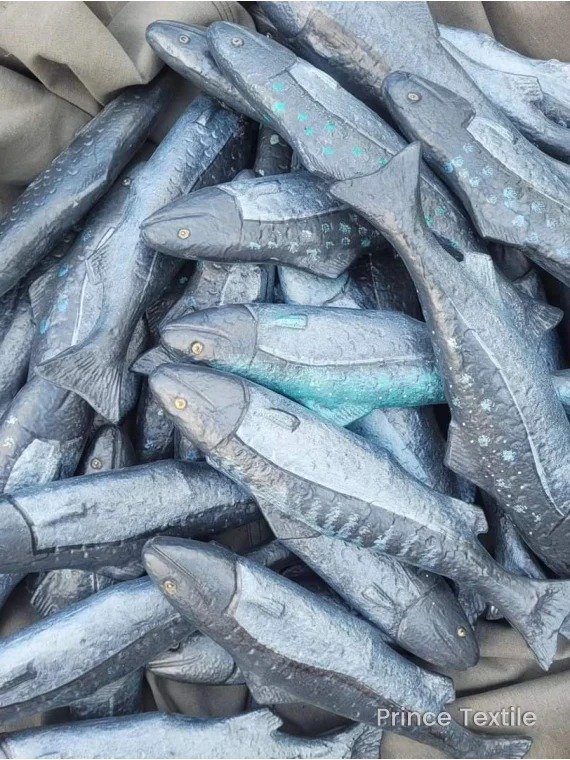
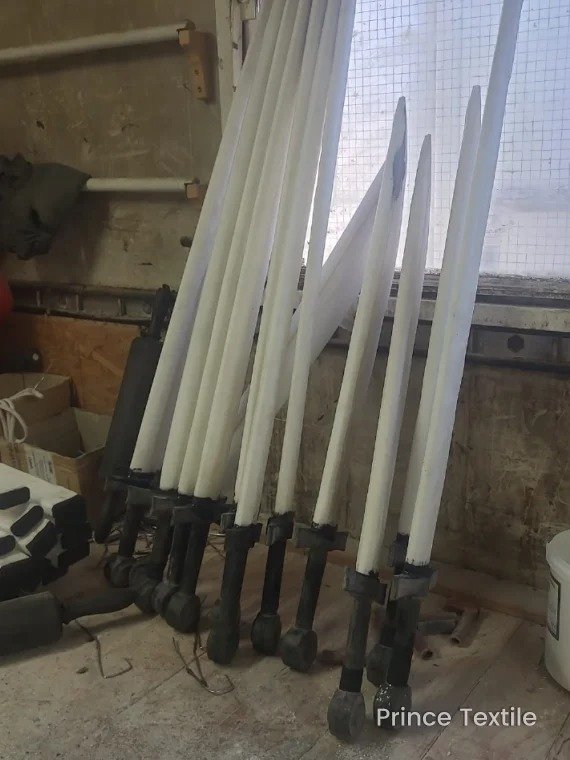
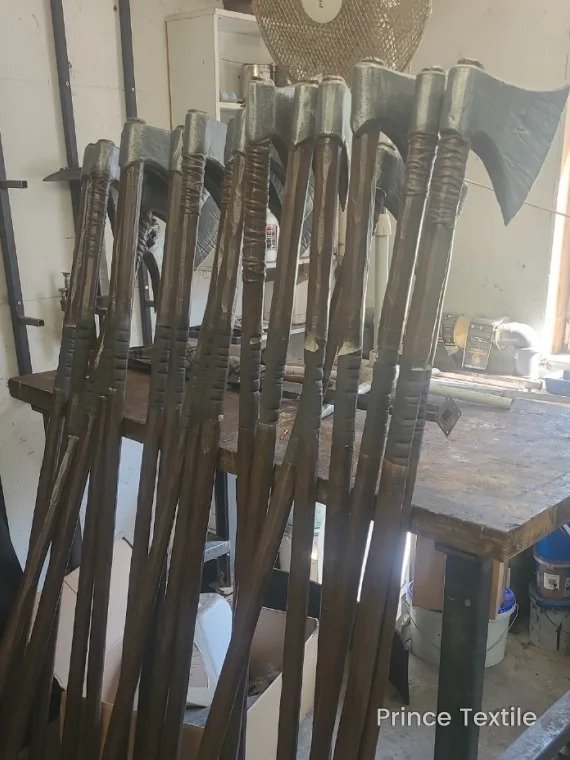
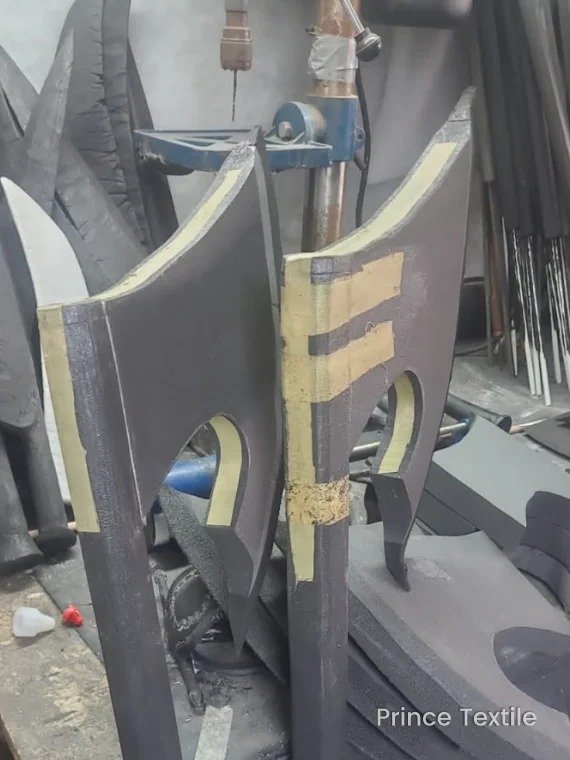
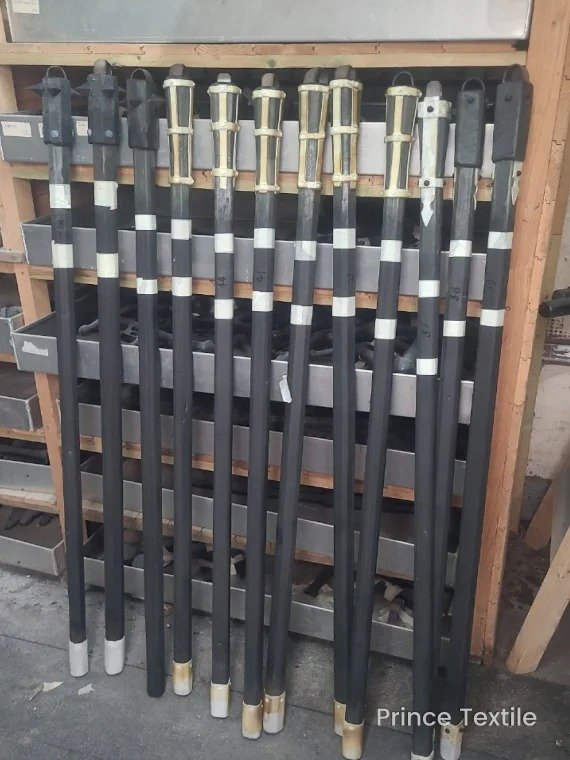
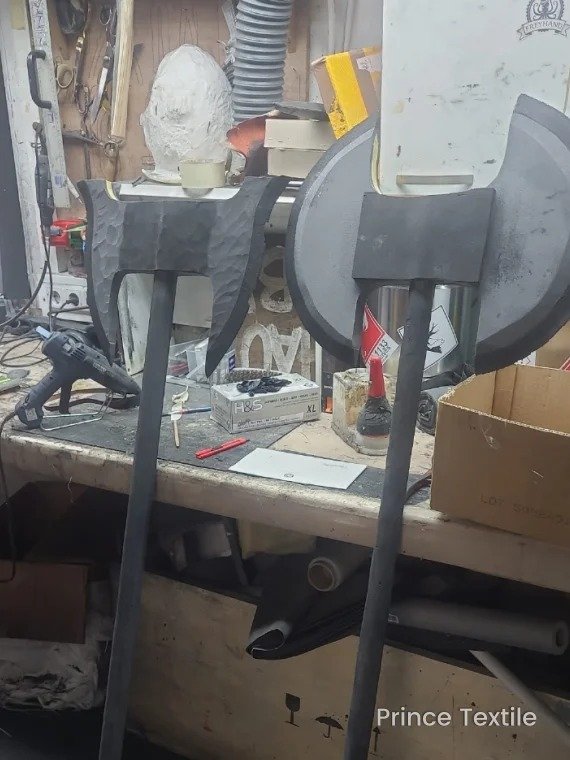
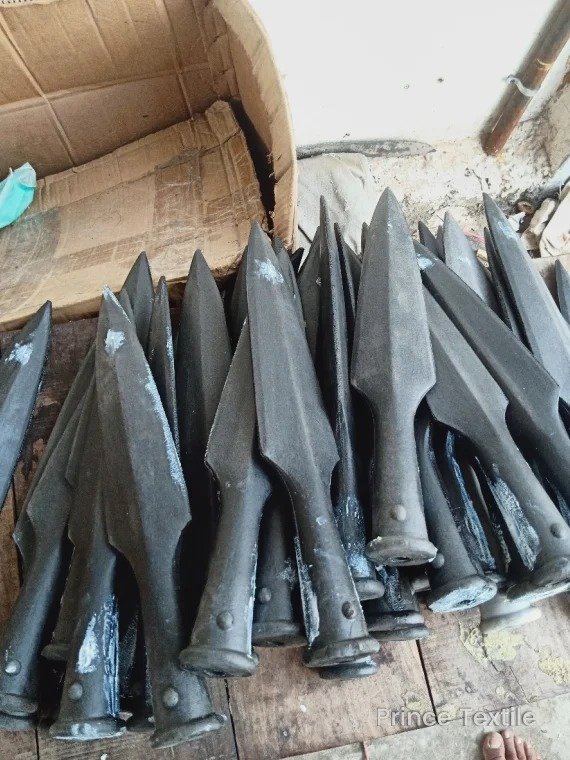
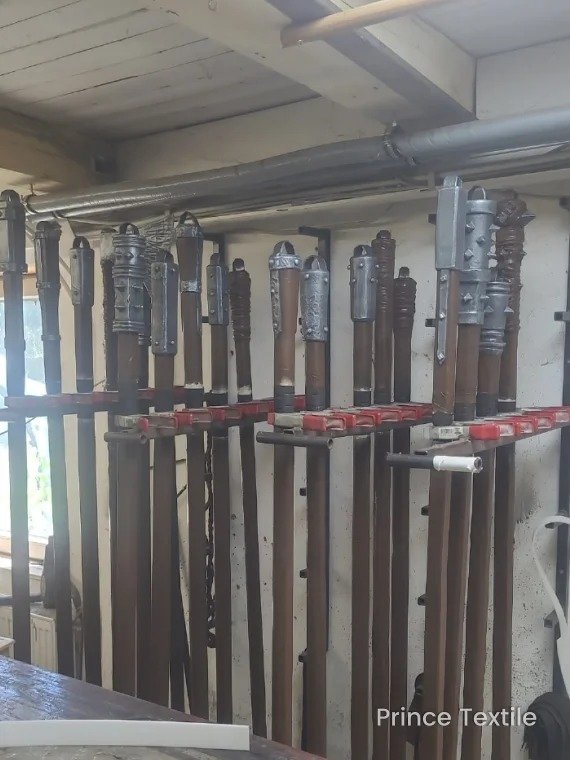
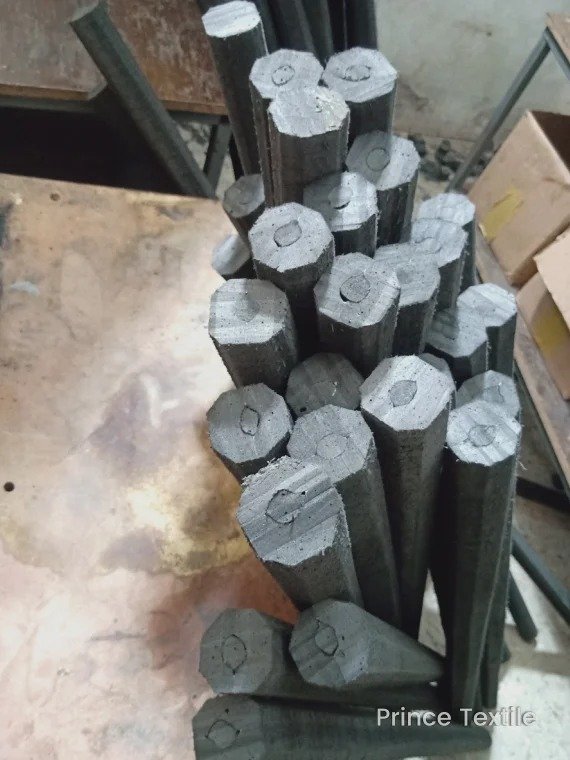
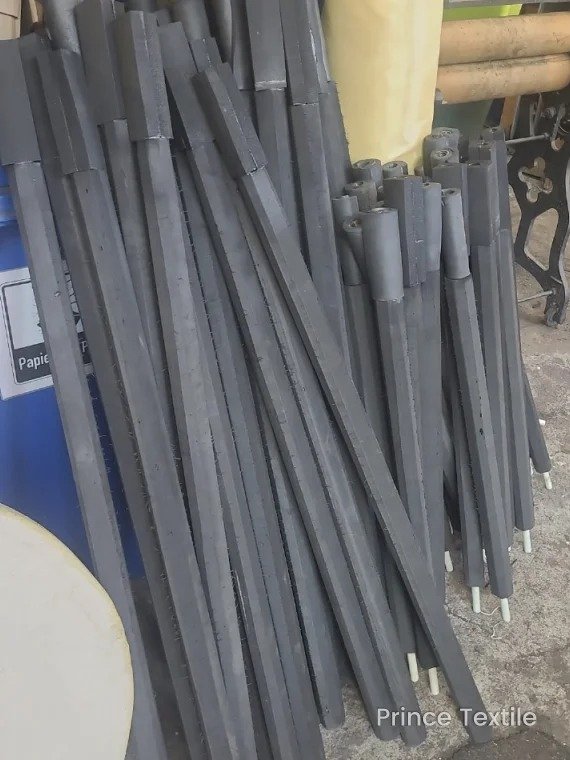
Templates define the external profile while construction notes record core placement, reinforced areas, foam layers, bonds, grip treatment and assembly sequence. Surface preparation is then carried out against that stable form, reducing variation when the design is repeated.
The physical sample allows the buyer to assess the object as a complete piece rather than as an isolated drawing. Once profile, detailing, colour and finish are approved, checks can be placed at forming, assembly and coating stages before the final quantity is packed.
Development follows the product rather than a generic template. The sample establishes what will be repeated and where checks need to occur during the run.
Artwork, dimensions, application, quantity, colour direction and finish requirements are clarified.
Profile, core position, foam layers, grip, assembly sequence and surface build are defined.
The prototype is reviewed for form, proportion, handling, detail, colour and overall finish.
Approved templates guide the run, followed by checks on construction, appearance, quantities and packing.
Send the artwork, target dimensions and intended application. A clear starting reference helps identify the core, profile, material and sampling decisions needed for a useful quotation.