
Leather armour
Cuirasses, pauldrons, tassets and mixed-material armour components developed from supplied references and dimensions.
Prince Textile develops leather goods around the selected hide, thickness, hardware and finish rather than a generic product shell. Patterns and a physical sample establish fit, reinforcement, assembly and visible character before production begins.
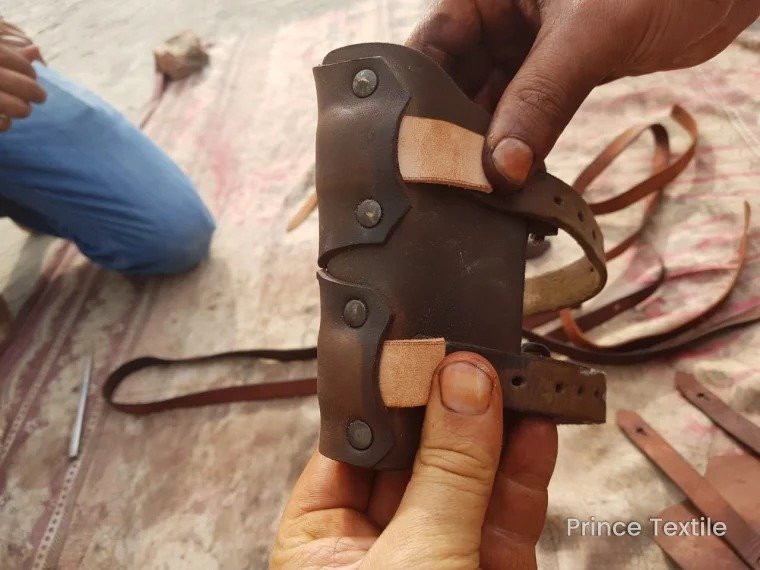
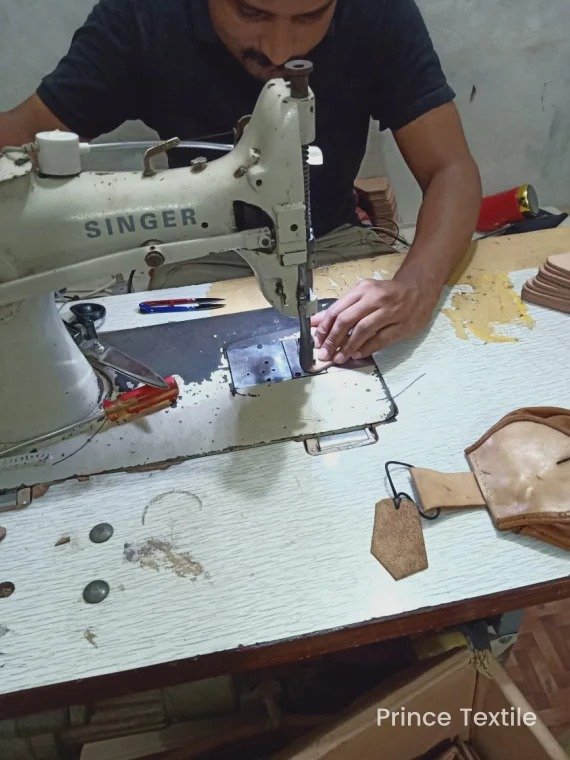
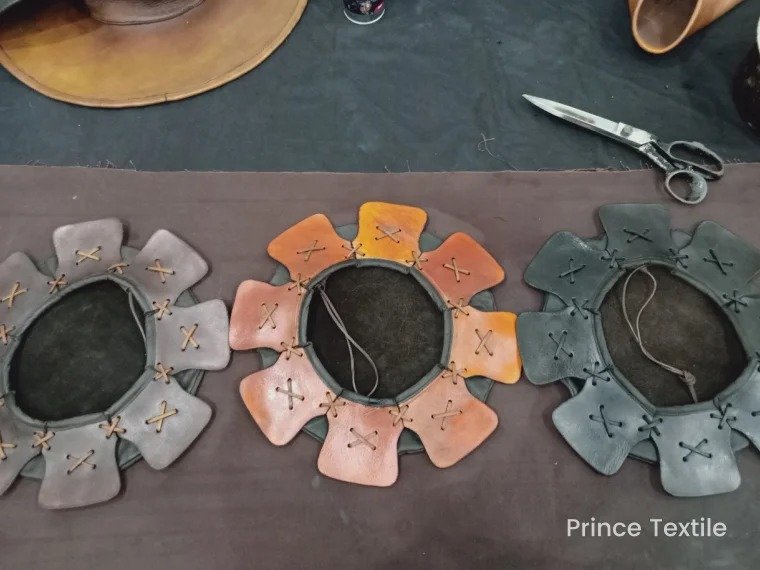
Leather changes with thickness, temper, grain, colour and finish, so material selection is part of development rather than a final purchasing decision. We review how the product should hold its shape, where it needs to flex, which areas require reinforcement and how the hardware will carry load or create adjustment.
Patterns establish the form and placement of every component. The sample then confirms hide character, fit, stitching, tooling, edge treatment, lining and hardware. Once approved, those details become the reference for cutting and assembly so the range keeps a consistent appearance without losing the natural character of the material.
Cuirasses, pauldrons, tassets and mixed-material armour components developed from supplied references and dimensions.
Bracers, greaves, pouches and related pieces with controlled fit, reinforcement, fastening and surface detail.
Components cut around specified width, adjustment, hardware placement, edge finish and intended function.
Small goods and bags developed with selected lining, closures, branding, presentation and repeat-order requirements.
The complete gallery from the current Leather Workshop page is retained here. Open any image to examine material character, construction, tooling, hardware and edge finishing without text covering the product.
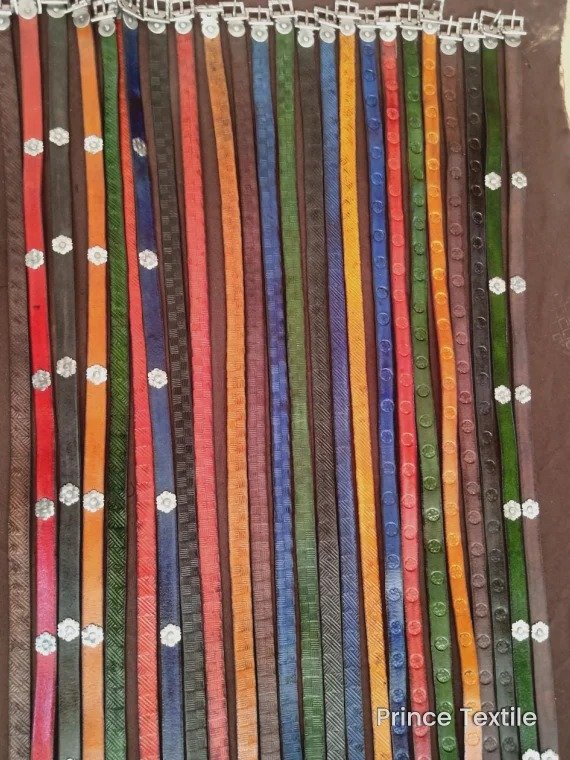
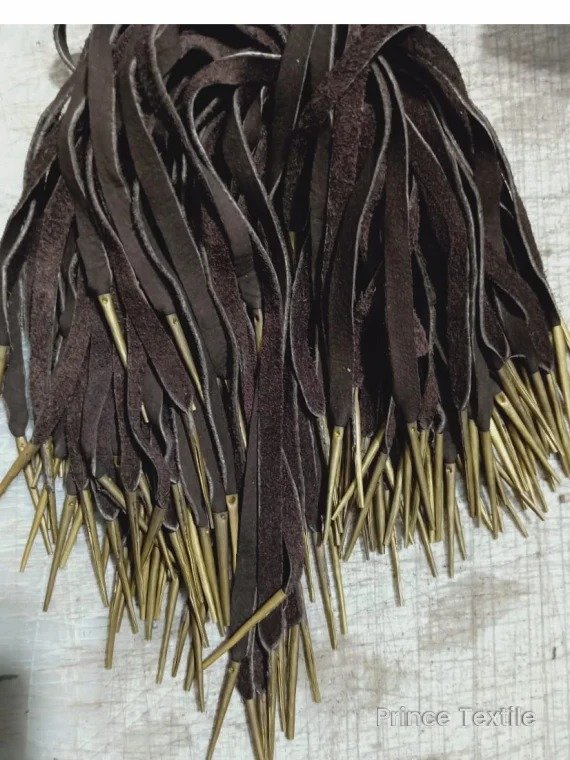
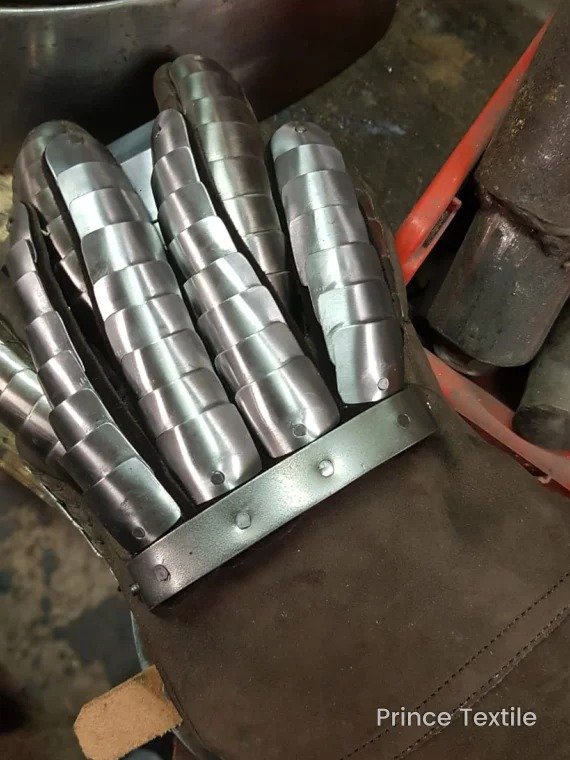
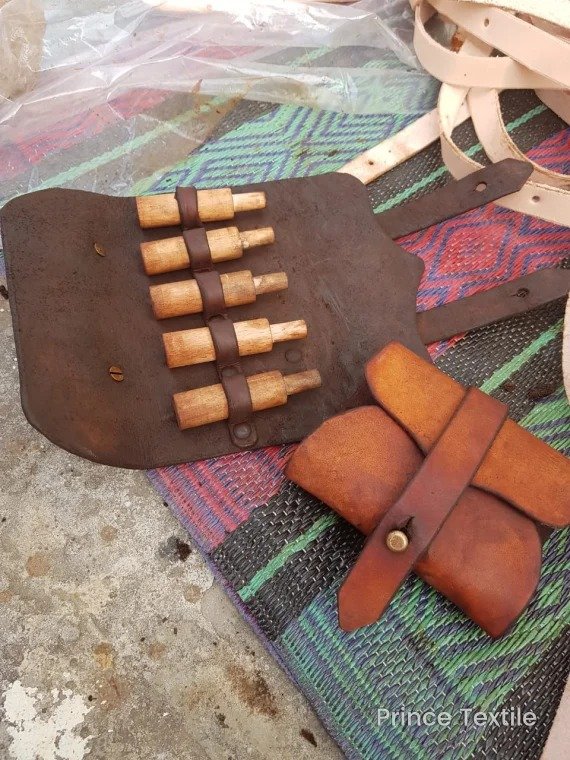
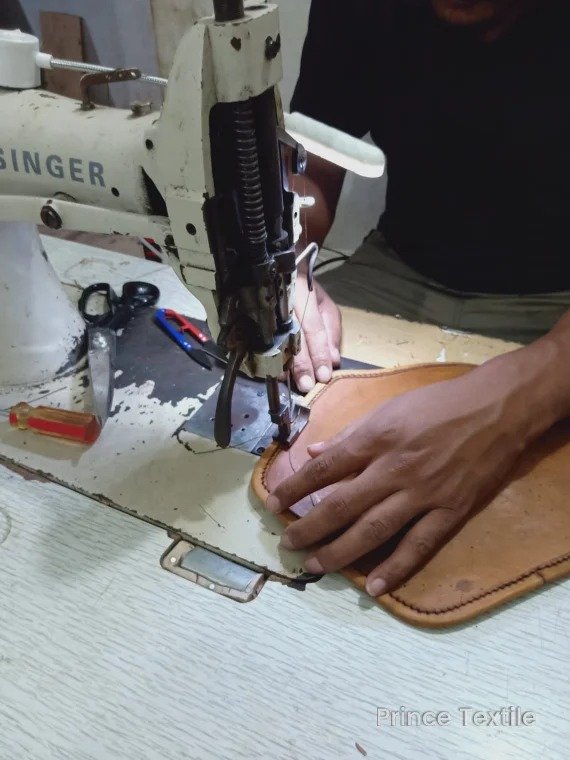
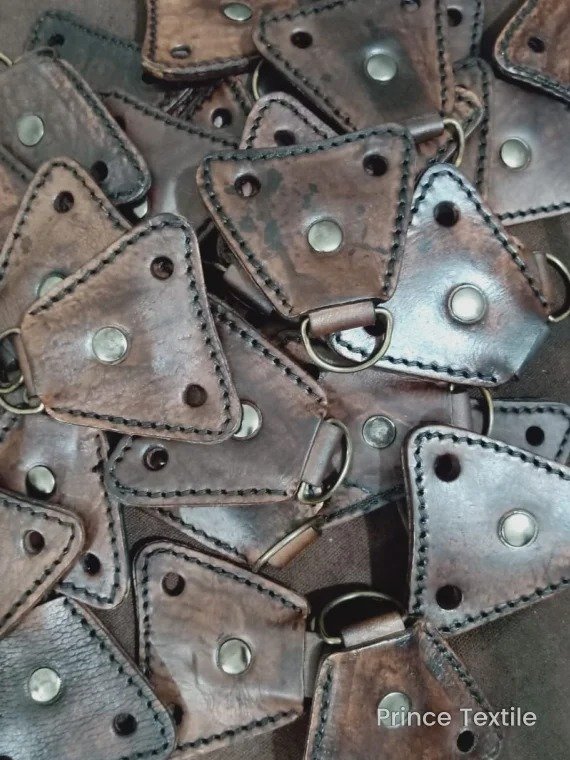
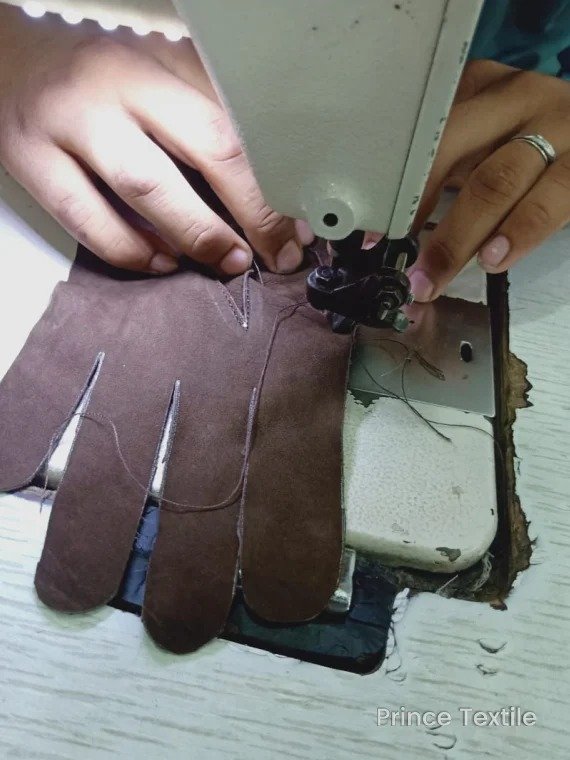
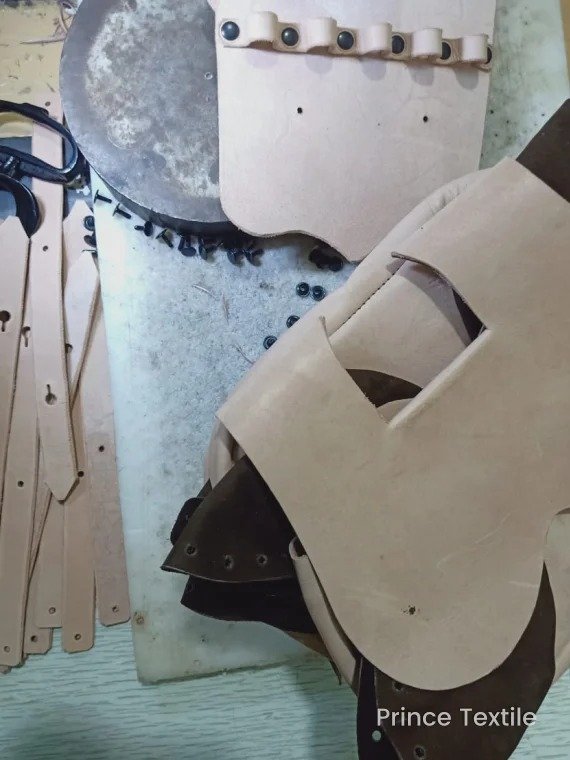
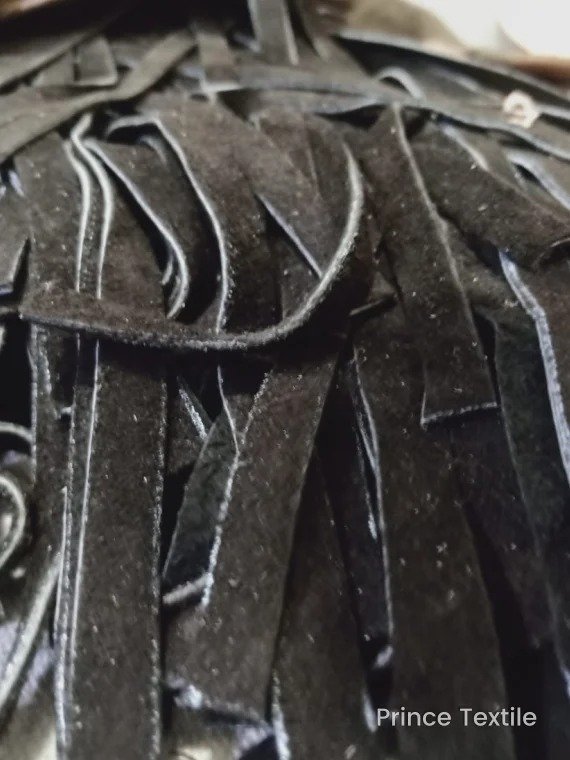
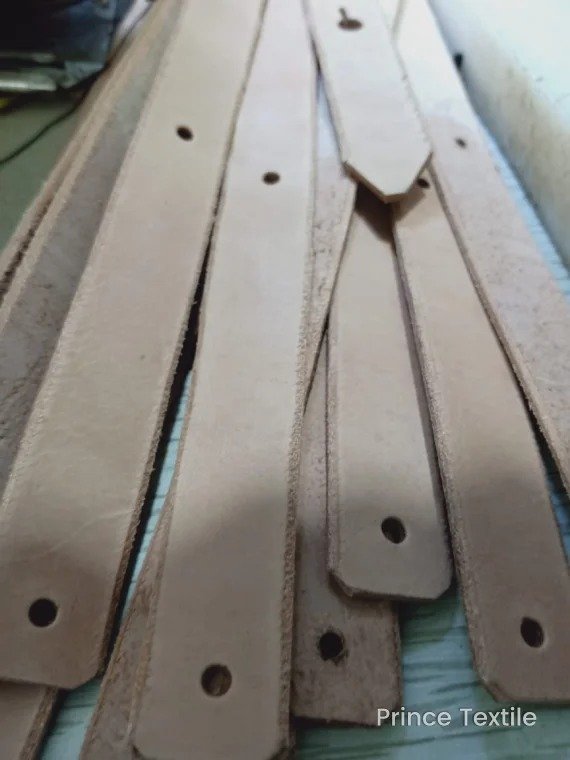
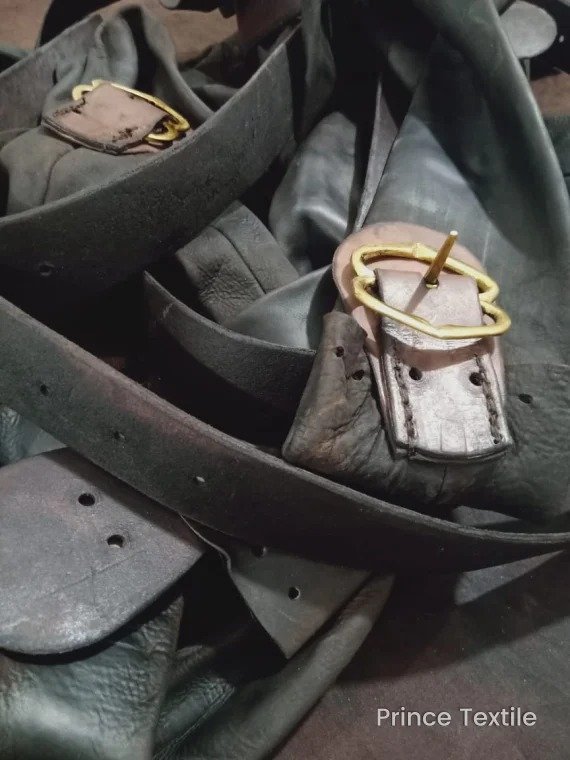
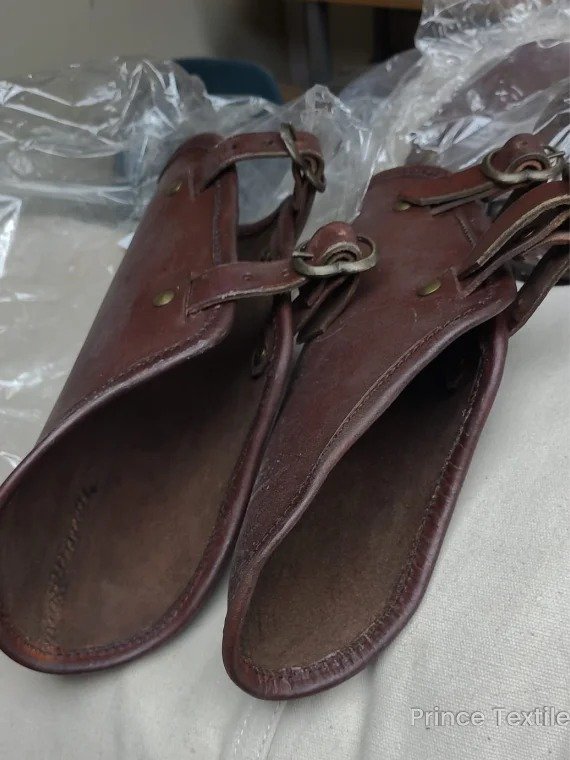
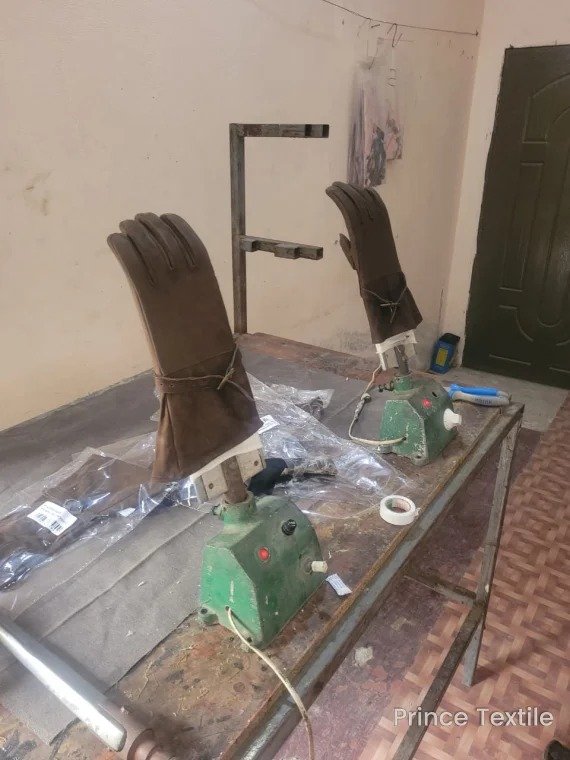
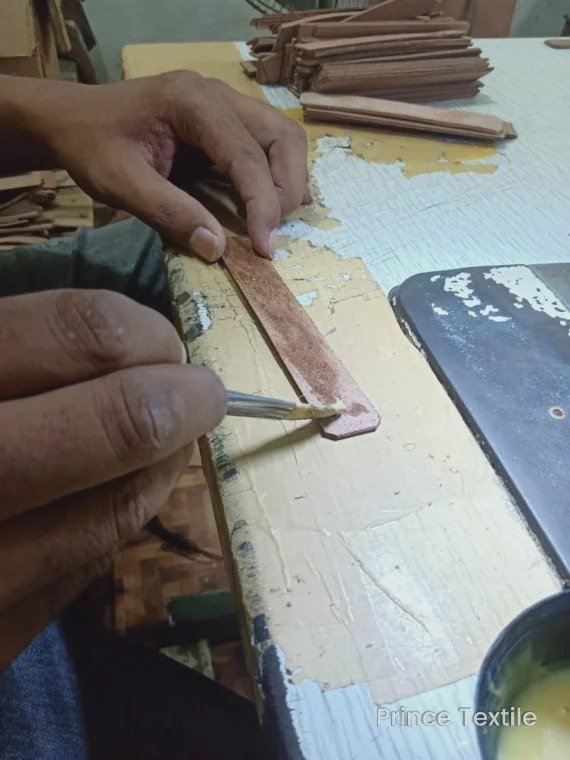
Cutting patterns define the visible form, but the finish depends on smaller decisions: skiving, reinforcement, stitch line, thread, rivet placement, tooling depth, burnishing, dye and hardware. Those details are reviewed together so they support the same product character.
Natural variation is expected in leather, while uncontrolled variation in construction is not. The approved sample records the acceptable material direction and repeatable assembly details, giving the workshop and buyer a shared reference for production and inspection.
The sample connects the natural material to a repeatable pattern and assembly method. Production follows after appearance, fit, hardware and finishing have been reviewed.
Product, dimensions, hide direction, colour, hardware, branding, quantity and intended use are clarified.
Cutting patterns, reinforcement, stitch lines, hardware positions and assembly details are established.
Material character, fit, tooling, stitching, edges, closures and hardware are reviewed together.
Approved references guide cutting and assembly, followed by checks on dimensions, finish, branding and packing.
Share the reference, dimensions, quantity and material character you want to achieve. We can then define the hide, hardware, pattern and sampling details needed for the next conversation.