
Plate components
Cuirasses, pauldrons, gorgets, tassets and coordinated plate pieces formed to an approved shape and construction.
Prince Textile develops steel armour and mixed-material pieces around supplied references, measurements and intended use. Templates, forming, articulation, hardware, lining and surface finish are reviewed together through a physical approval piece.
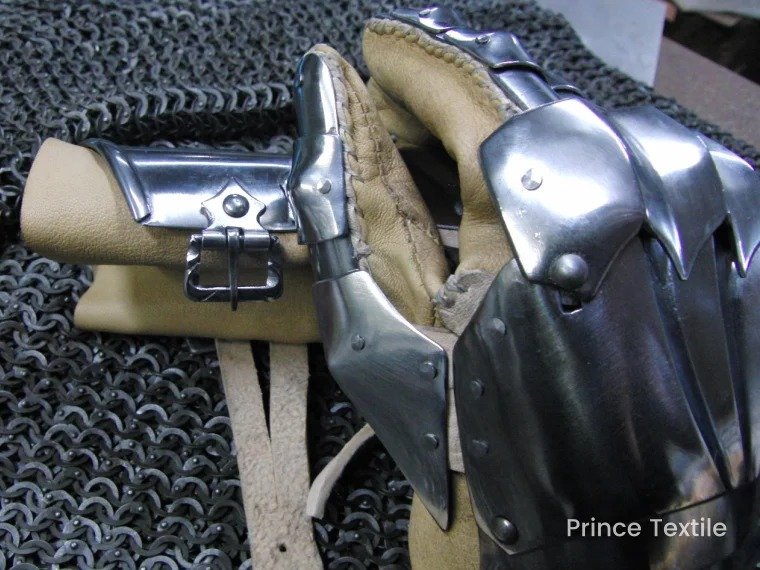
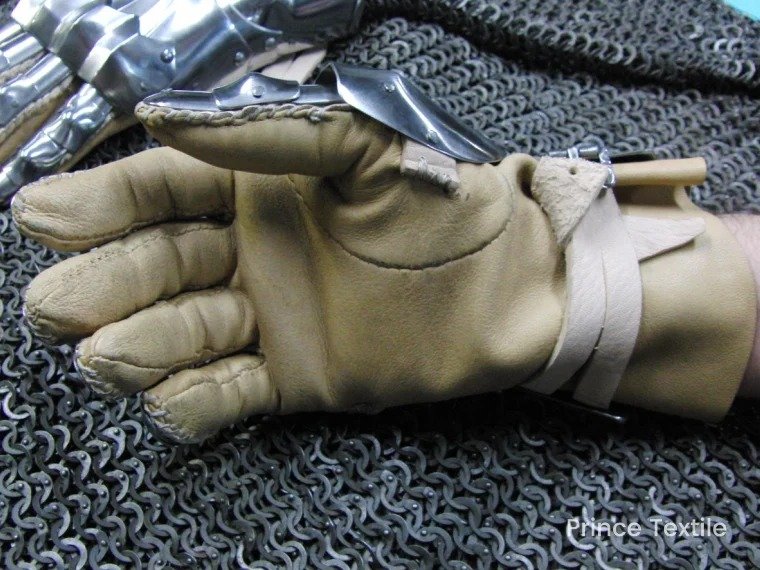
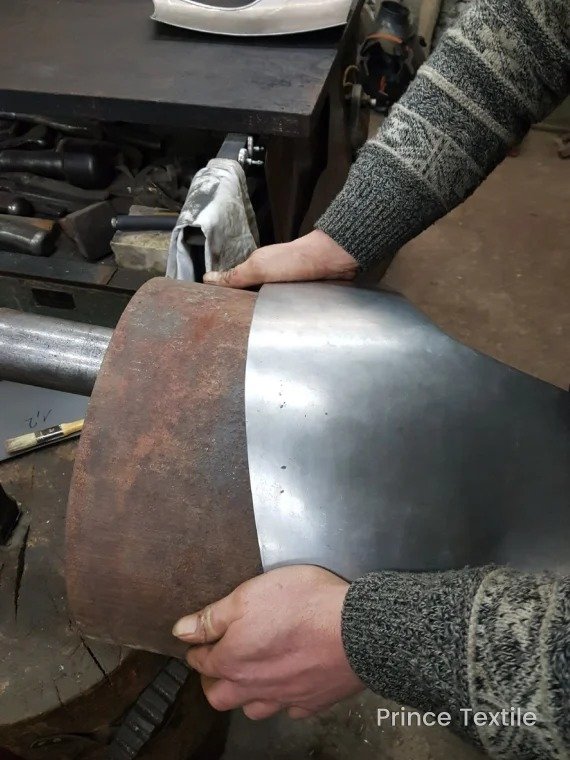
Armour is not defined by the outer shape alone. Gauge, edge treatment, articulation, overlap, straps and lining all affect how a piece presents and how it moves. We begin by clarifying the reference, body dimensions, intended application and finish so the construction can be developed as one connected system.
Templates establish proportion before metal forming begins. The prototype then provides a physical reference for joins, mobility, hardware placement, comfort and visual balance. Buyer feedback is applied at that stage, giving the production team an agreed construction standard rather than a collection of assumptions.
Cuirasses, pauldrons, gorgets, tassets and coordinated plate pieces formed to an approved shape and construction.
Historical and fantasy helmet forms with specified openings, edge treatment, lining, closures and surface finish.
Hand, arm and leg pieces developed for proportion, articulation and consistency across a complete set.
Mail sections and mixed steel, brass, textile or leather constructions coordinated under one approved brief.
The complete gallery from the current Armour Workshop page is retained here. Open any image to inspect the form, articulation, hardware and surface character at a larger scale.
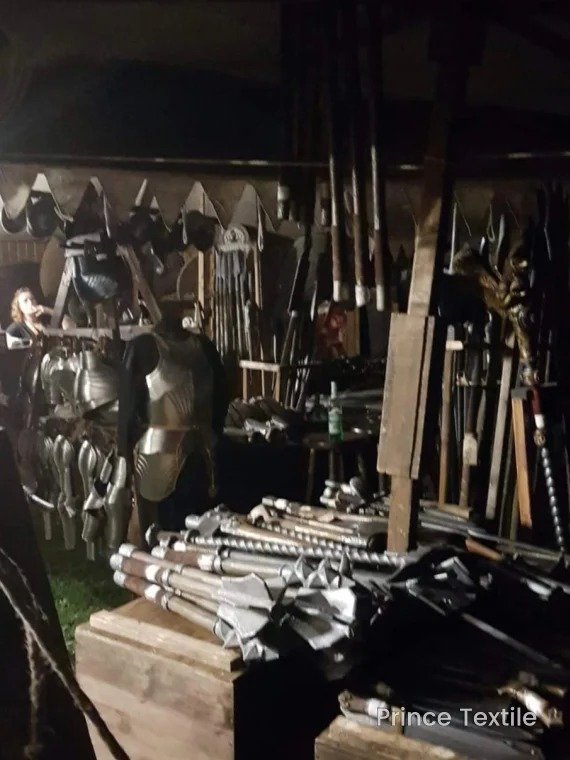
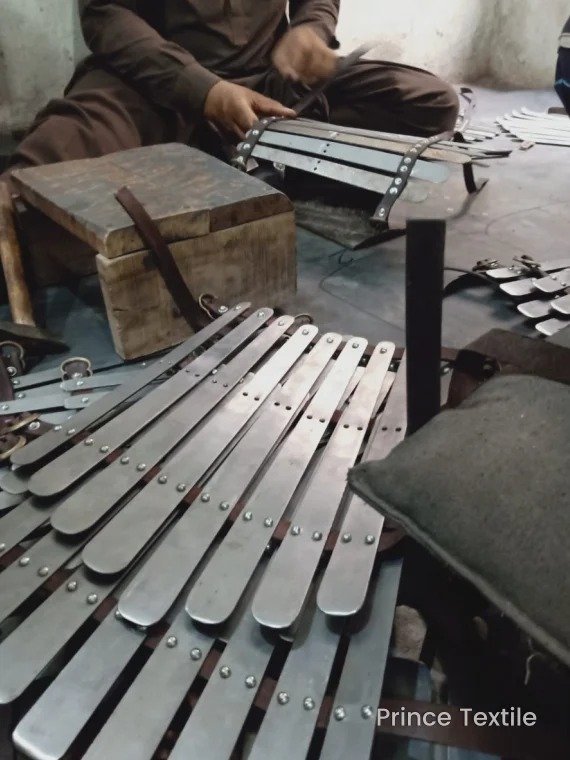
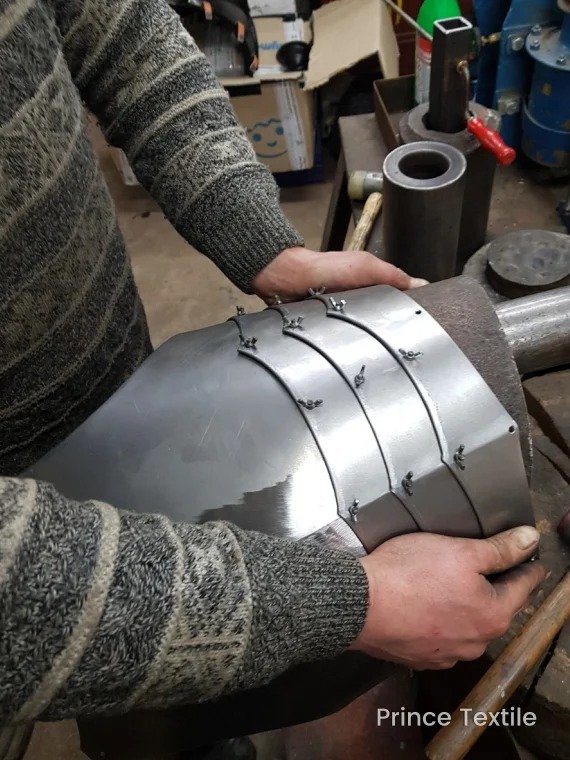
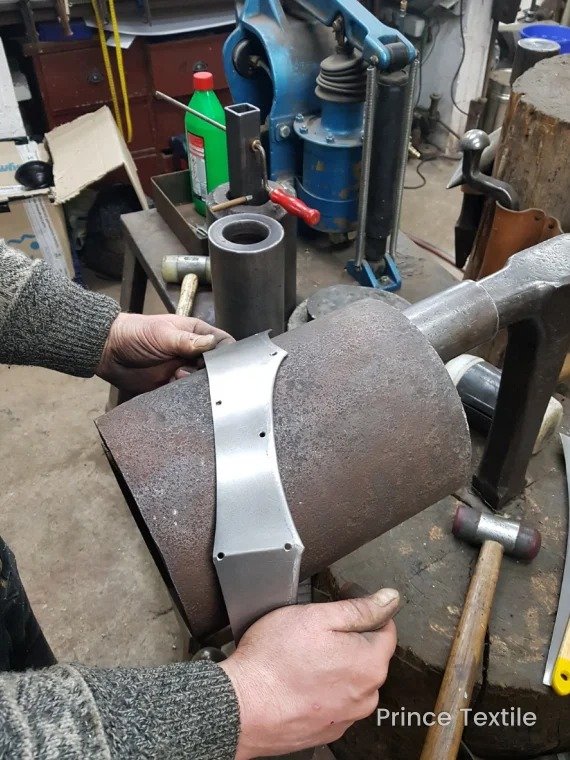
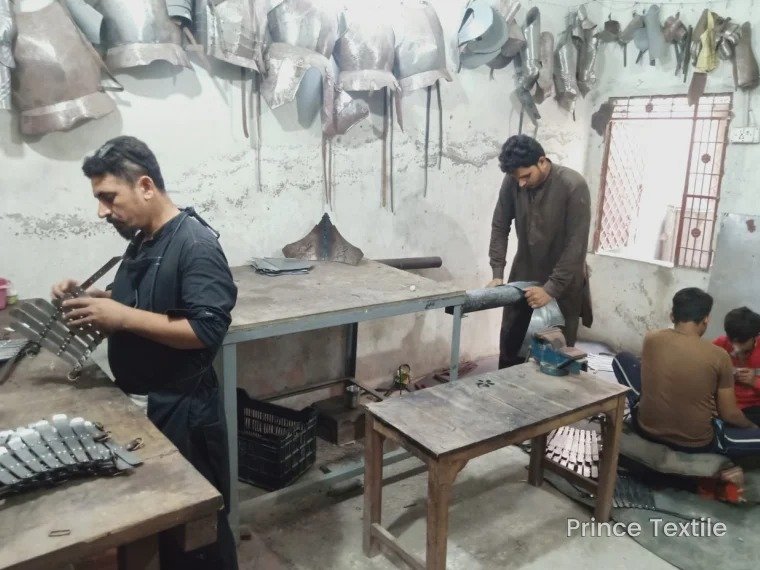
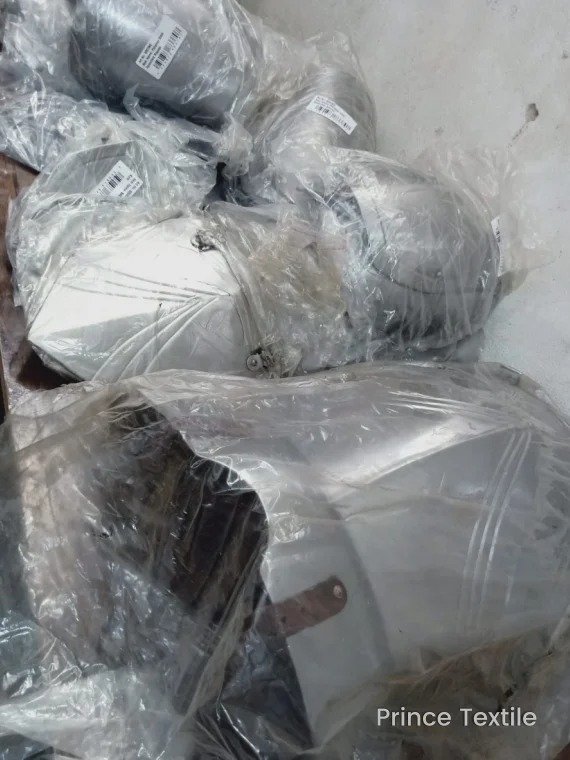
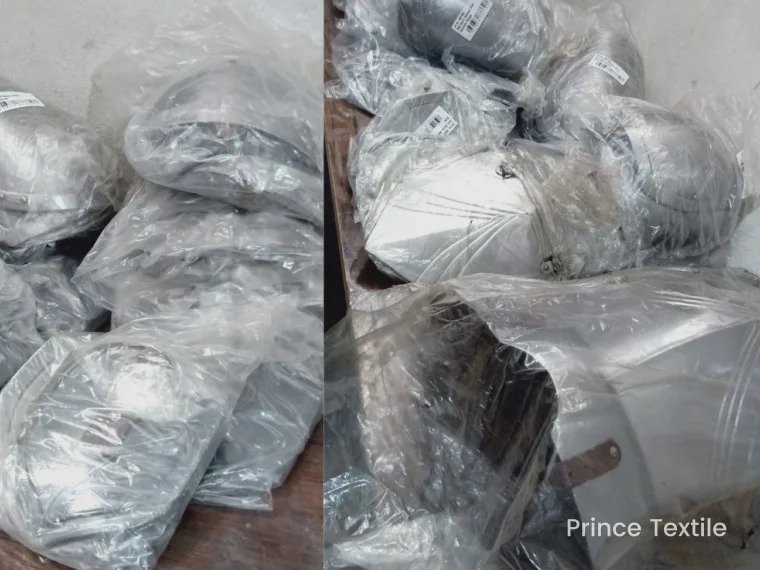
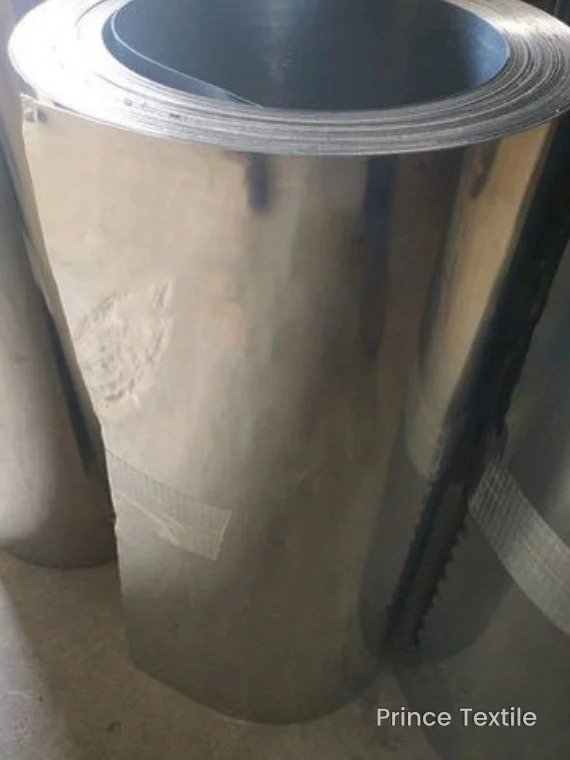
A reference is converted into templates and decisions for forming, drilling, riveting, articulation, strapping, lining and edge treatment. These interfaces determine whether separate components sit together correctly and whether the finished set keeps the intended proportion.
Surface treatment is approved as part of the sample rather than treated as an afterthought. Polished, brushed, darkened or buyer-specified finishes can change the character of the same form, so the approved physical piece is retained as the visual and construction benchmark for production.
The route can be adjusted to the product, but repeat production begins only after form, construction and finish have been reviewed together.
Product type, dimensions, application, material direction, hardware and target surface finish are clarified.
Shapes, overlaps, articulation and connection points are resolved in templates and working notes.
The piece is formed and assembled so proportion, joins, movement, lining and detailing can be assessed.
Approved references guide forming and assembly, followed by checks on dimensions, edges, hardware, finish and packing.
Share the closest visual reference together with measurements, quantity and intended application. We will use that information to define the template, construction and sampling questions before production is discussed.